Radical Hammers
Radical Hammers
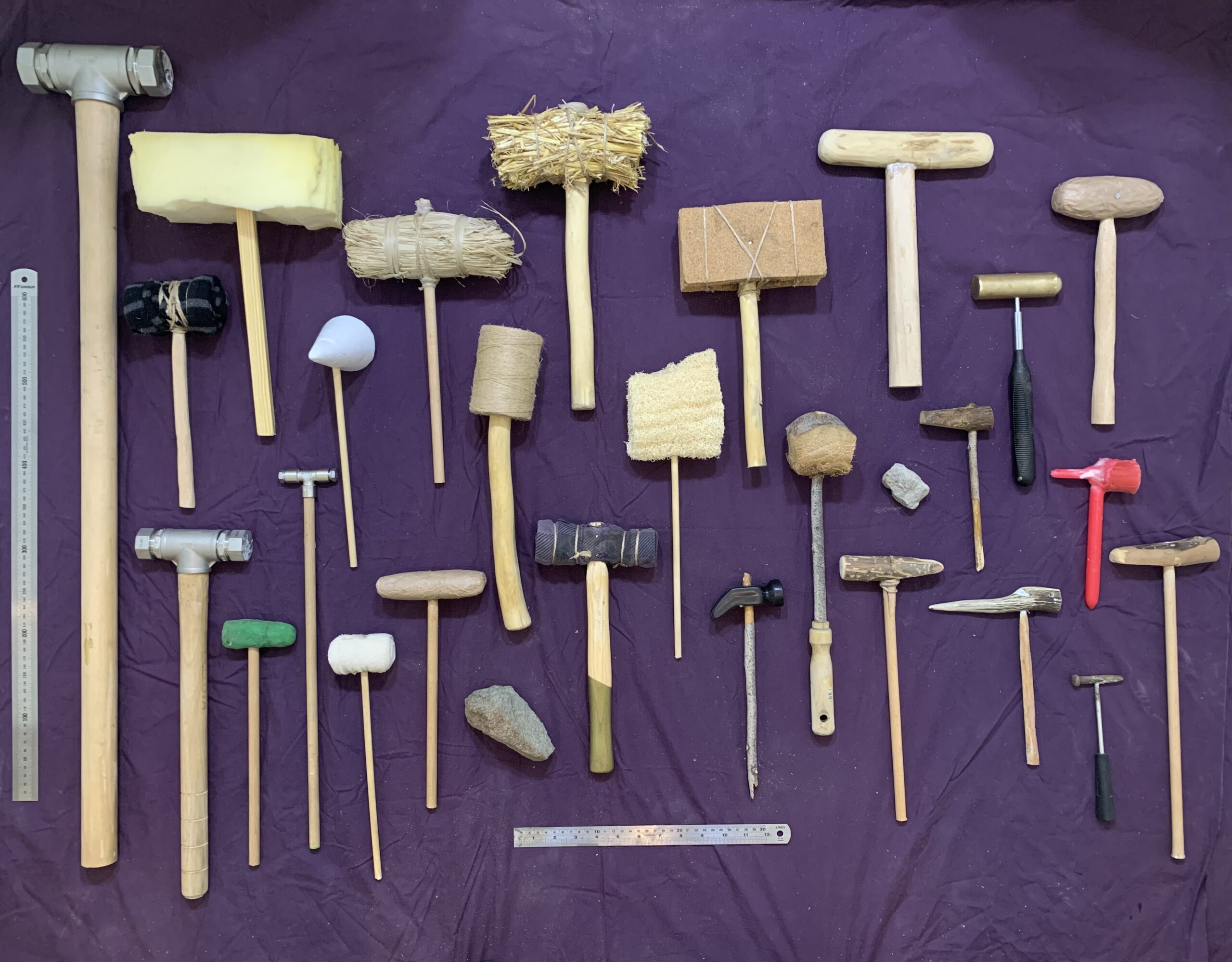
Considering their historical significance and their versatility in terms of shape, material, ergonomics, aesthetics, symbolic and semantic offshoots, hammers suggest themselves as a testbed for extensive design experimentation. Radical Hammers concern such experiments resulting in both functional and speculative DIY artefacts and celebrating making thereof as an opening up of one’s mind to all sorts of (non-)positivist ways of thinking and enacting vis-á-vis technicity and tool-being.
Materials:
Mild steel, bronze, iron, stainless steel, cork, wood, XPLE, straw, raffia, cotton, aluminium, polyethylene, wool, loofah, twine, paper, palm wood, ethylene vinyl acetate, hay, sponge, nylon, wax, polymer paste, gauze, deer horn, styrofoam, stone, rope, glue, nails, bolts.
Dimensions/Weight:
Variable
Produced by:
Marinos Koutsomichalis
Produced at:
Y’ha-nthlei Studio, Heraklion GR
Produced in:
2025
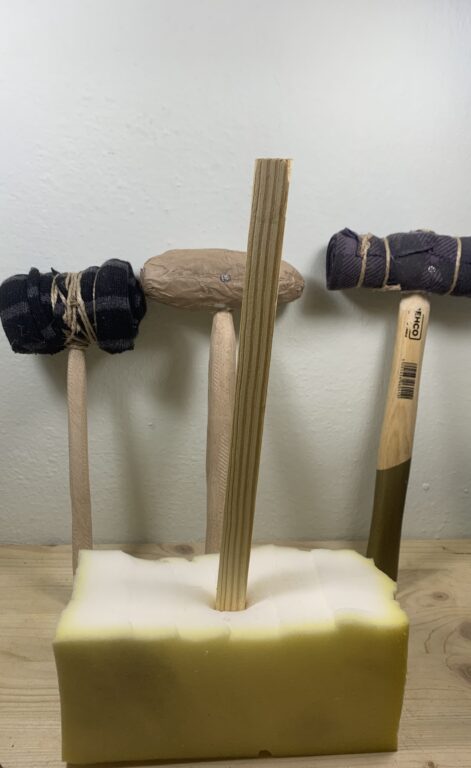
Radical Hammers welcome unconditional design experimentation with all sorts of materials but also cater for very concrete studio needs of mine that cannot be (easily) addressed by yours typical readily available hammer. As such they fuel a hands-on ontological investigation vis-á-vis all sorts of stuff juxtaposed/joined together and zooming in the physical affordances of the materials and contrapositions involved. Radical Hammers very often disclose that stuff cannot be readily reduced to its alleged qualities, being occasionally ascribed very different roles in such a staged theatre of making and enactment. On such a continuum, it is surprisingly often the case that materials (and their contrapositions) offer new answers to the most mundane of questions, so that e.g., paper, wood, and cotton prove themselves excellent in forging metal, wool or gauze demonstrate ability to work-harden it, and a roll of twine is all it takes to drive nails into a wall.
On a different perspective, a more ludic approach places making into a ‘sustained disbelief’ in respect of technicity, ergonomy, and optimality. What would be a tenable use case for a radical hammer that is ready at hand? How would it fit the continuum of my art/craft practice? Thinking about hammers in such a fashion –that is, looking for the problem after its solution is devised– raises concerns of context and suggests a certain kind of design that is non-solutionist and speculative but without necessarily eschewing functionality.
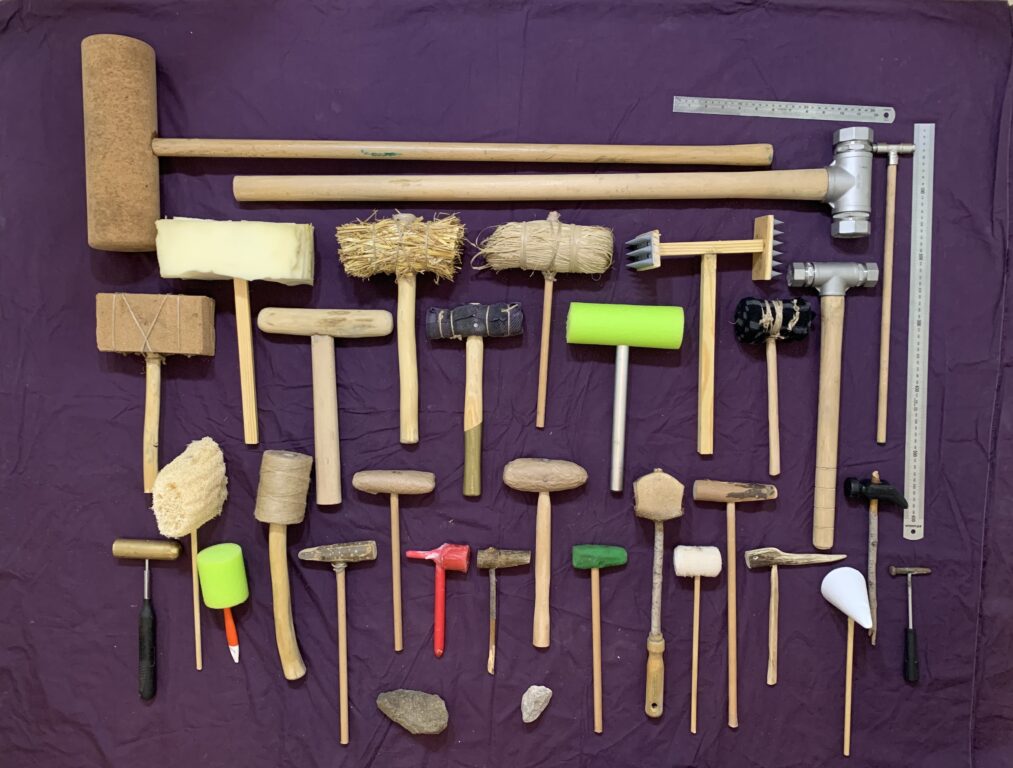
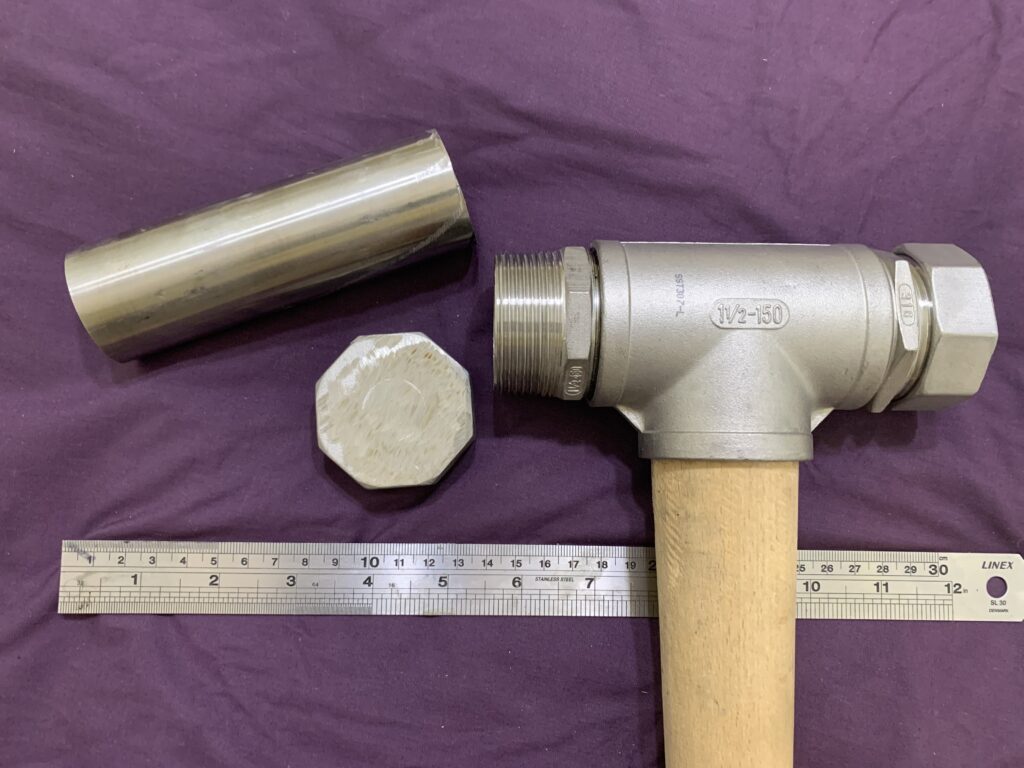
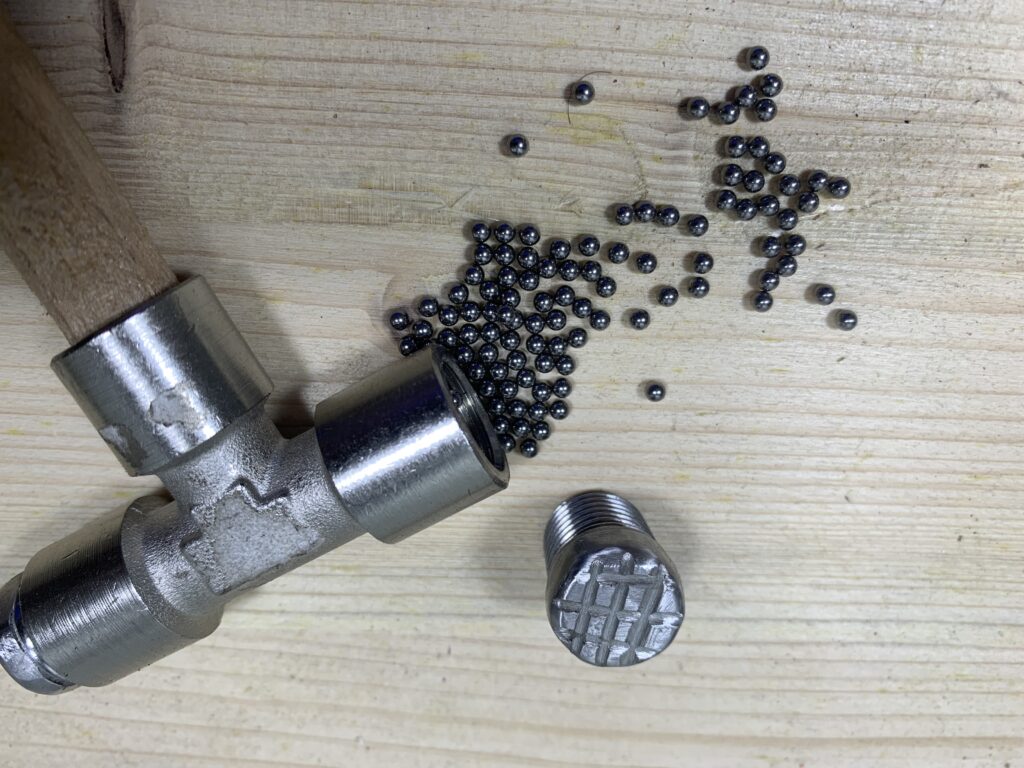
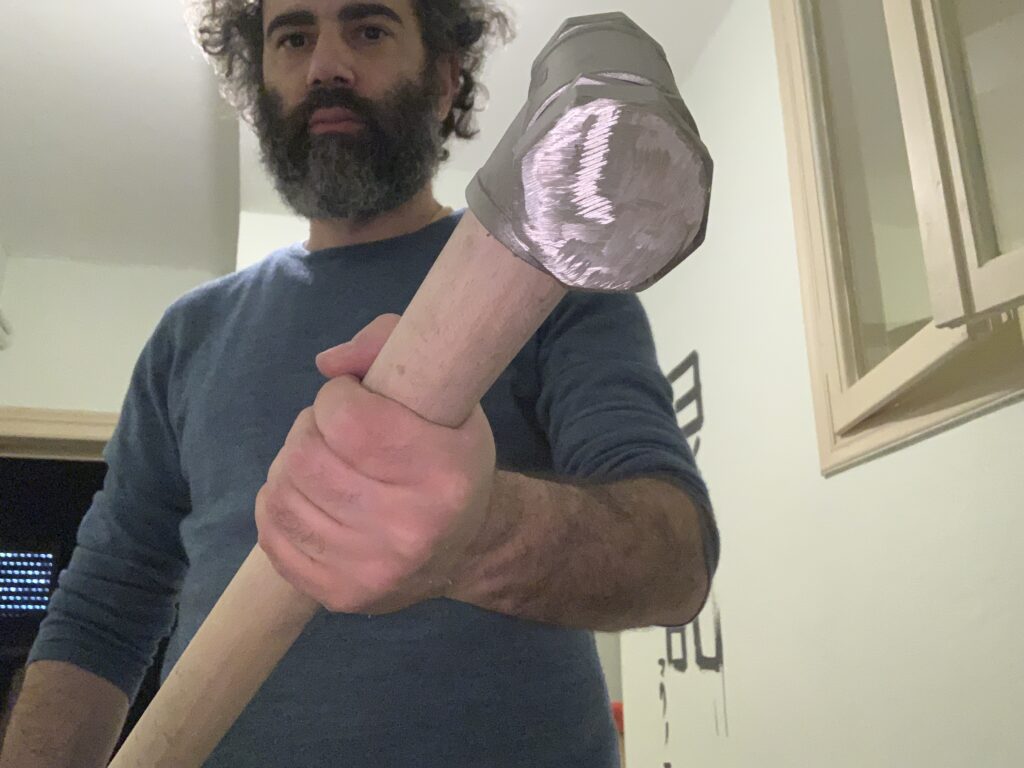
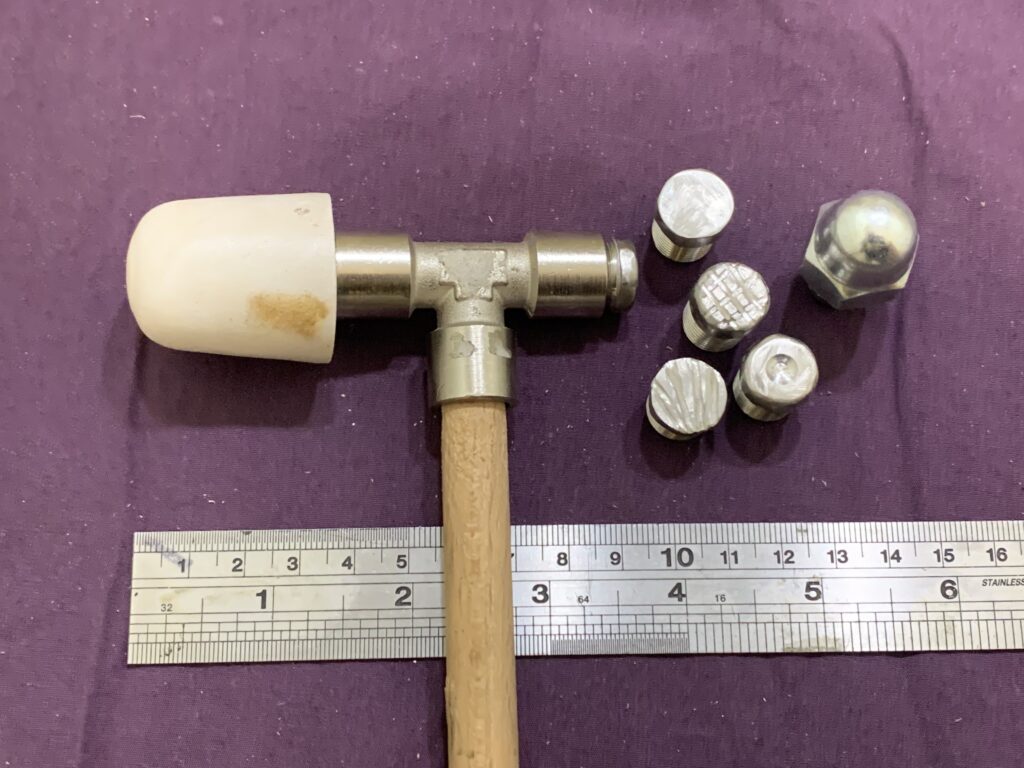
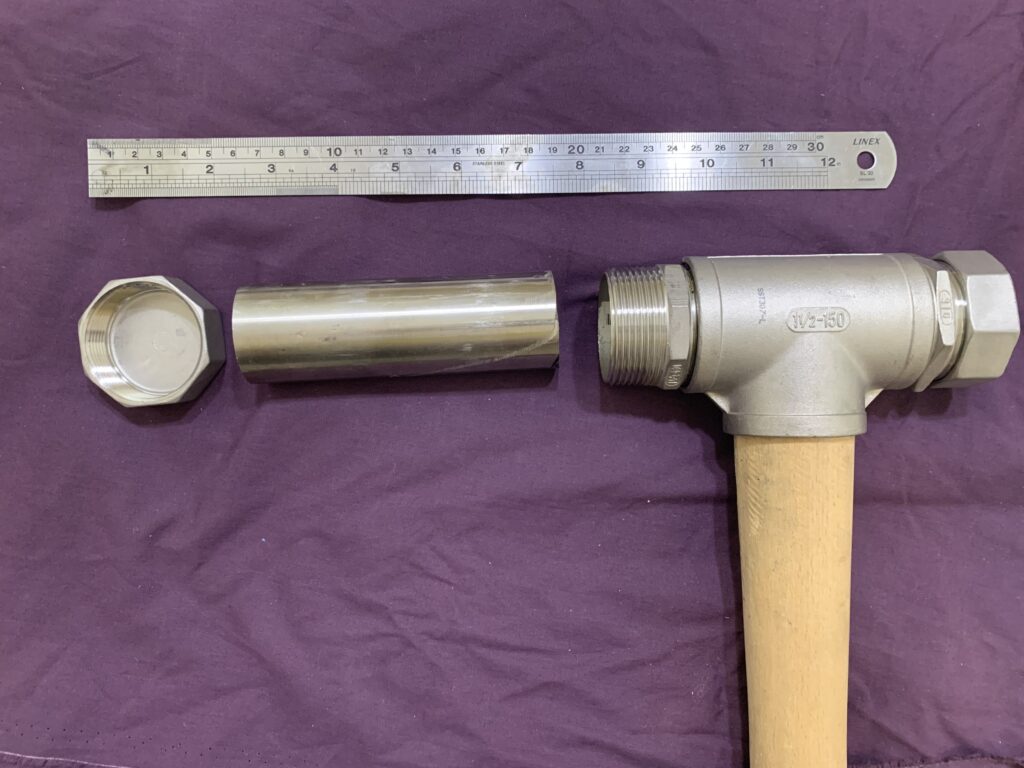
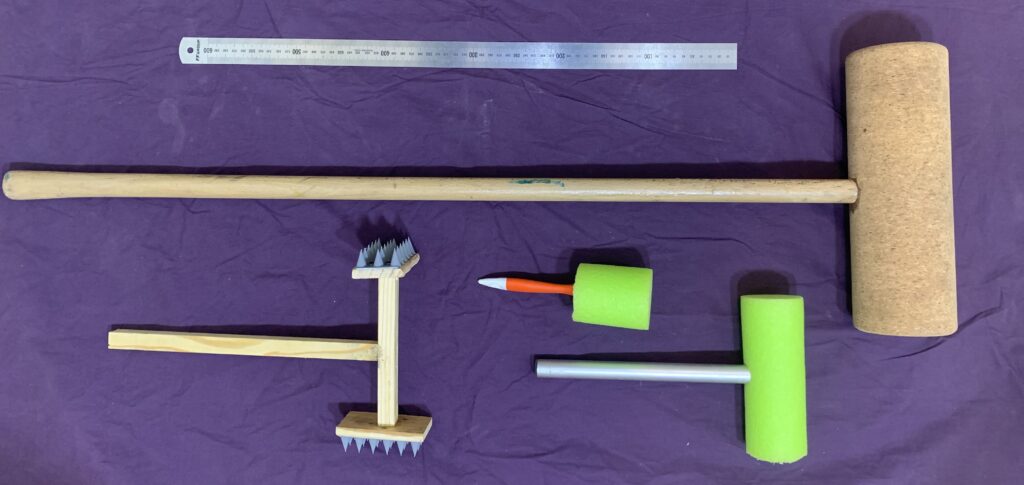
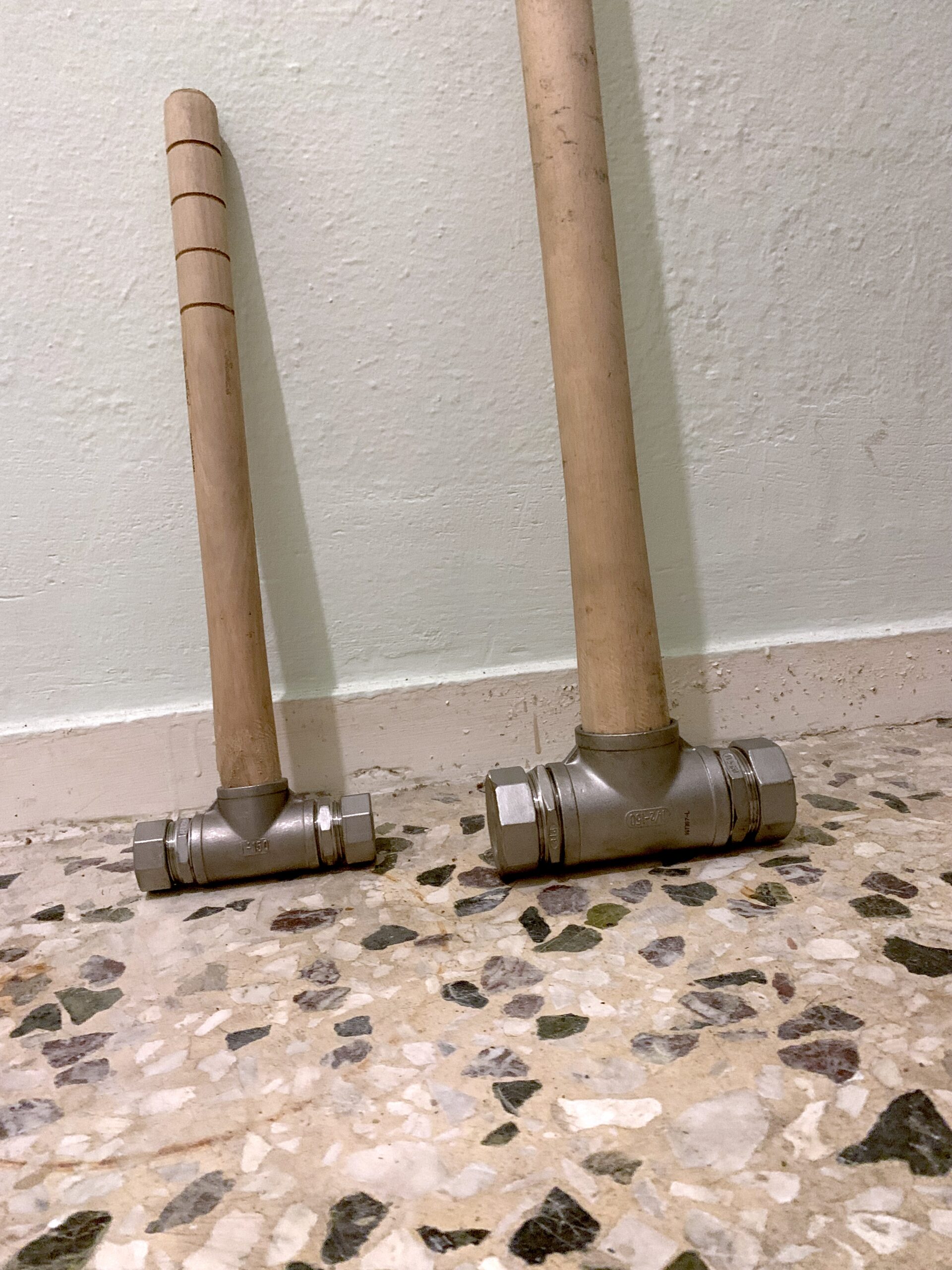
A subseries of radical hammers feature interchangeable faces and core elements so that they can be optimised for miscellaneous use cases as well as to have different weight and to achieve different varieties of ‘dead-blow’ effects. They range in size from the much heavier (radical) sledge-hammer that is powerful yet also rather accurate, to a miniature one.
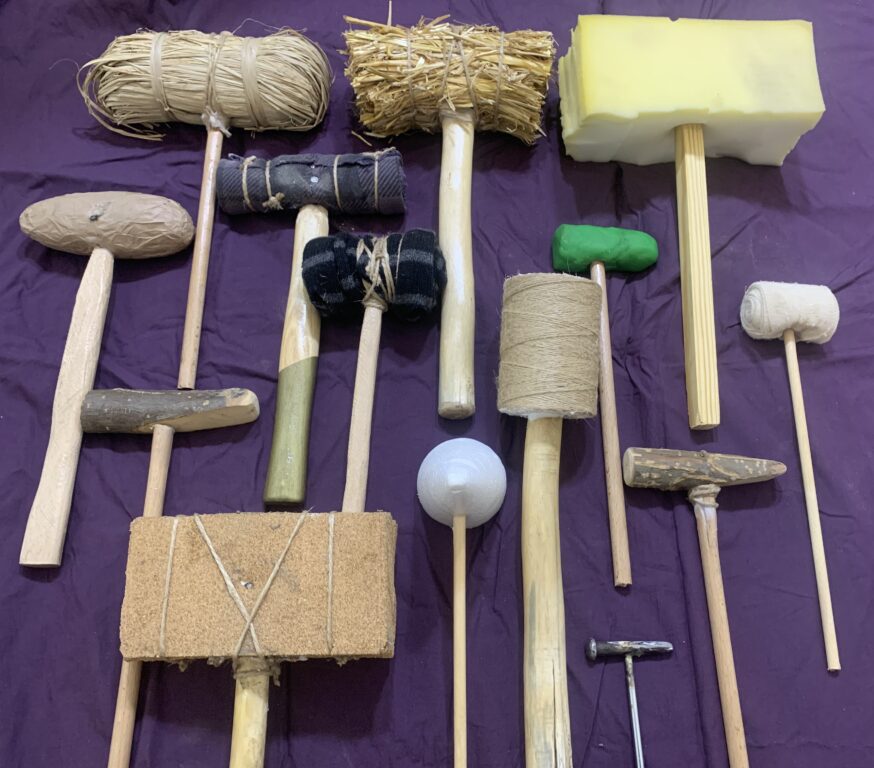
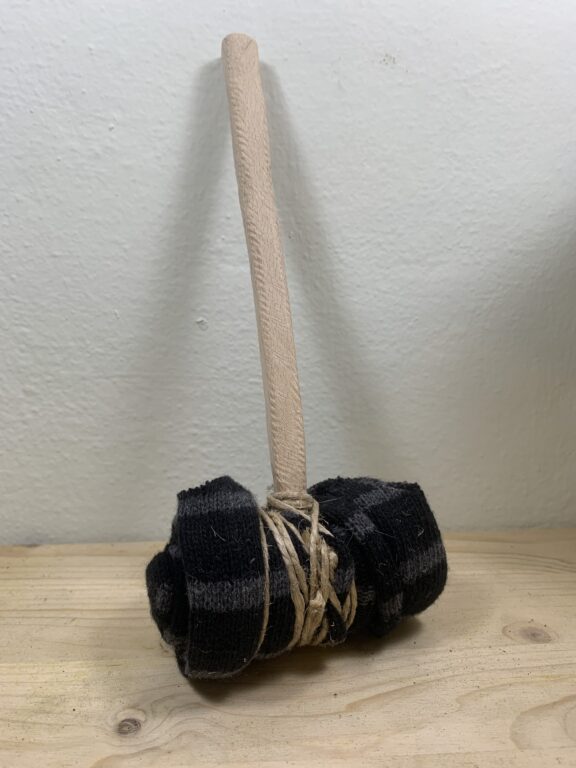
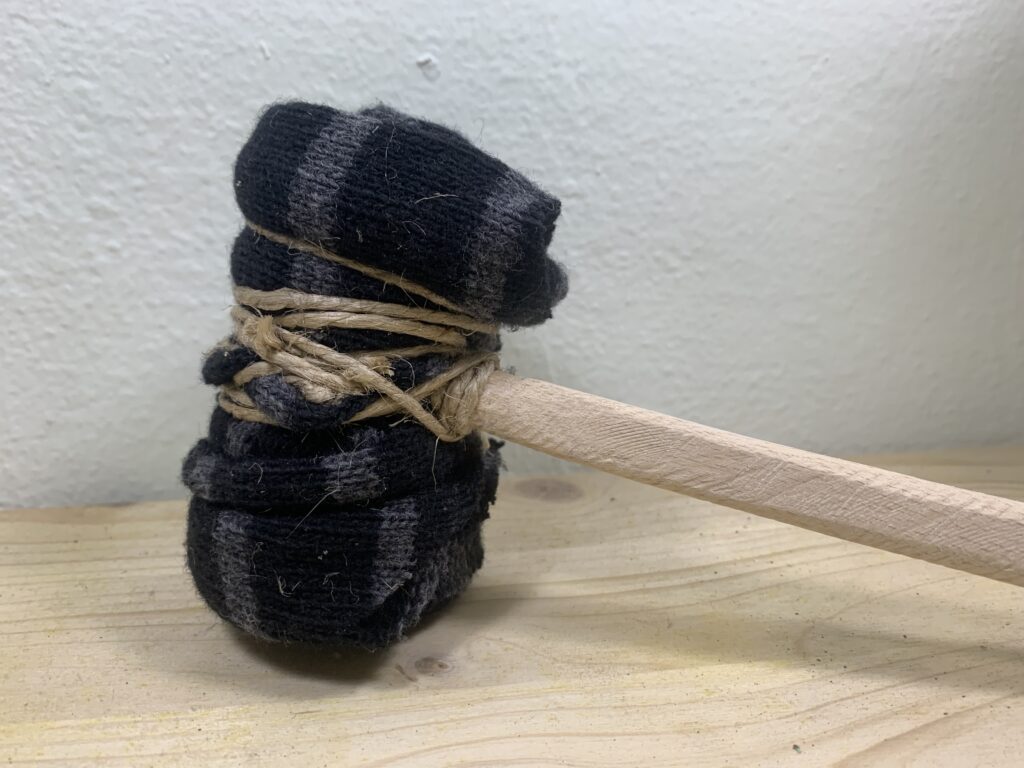
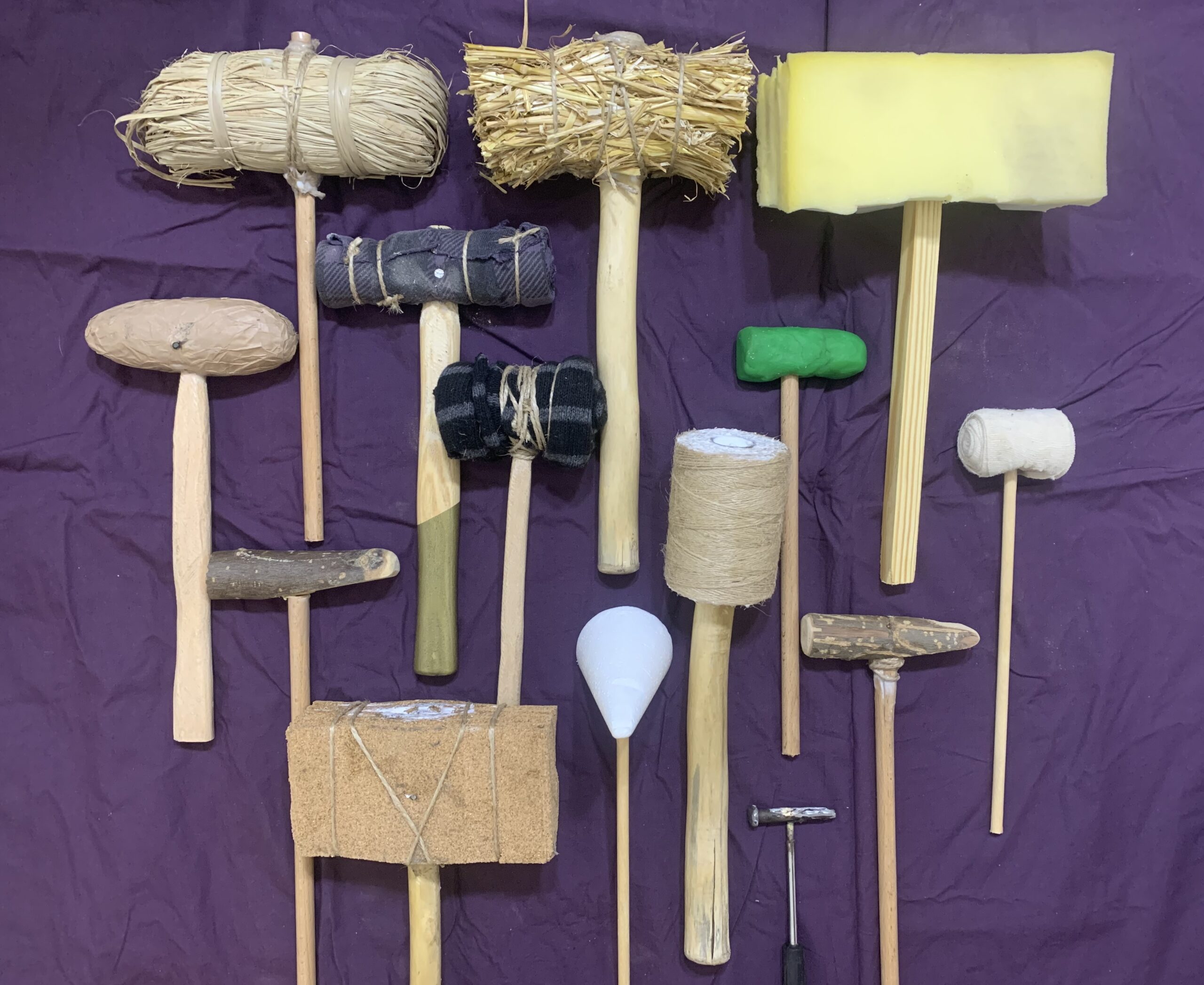
Another prominent theme among radical hammers is that of softness. They have initially surfaced out of need –since readily available hammers are as a rule of thumb too hard for delicate work with metal– and soon developed into longer term speculative endeavour. Hammers of wood, cotton, wool, horn, twine, and most importantly, paper, have a prominent place in my studio and are among the ones I consider essential. Larger/heavier mallets of cork or ethylene vinyl acetate are very effective in applying force to larger structures of wood, carton, or other softer material without fear of leaving marks or dents.
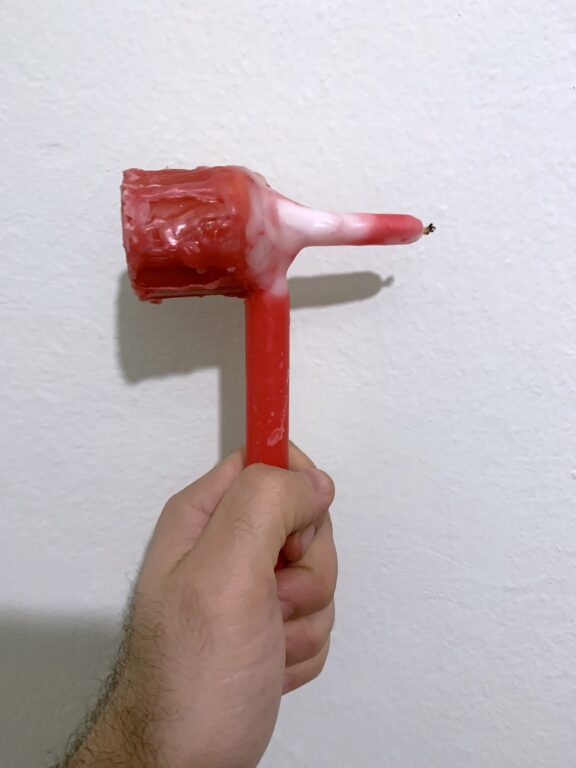
Other mallets I have made of XPLE, straw, raffia, loofah, nylon, wax, gauze, styrofoam, rope, repeller horns, and all sorts of this and that. While these have been largely meant as design studies or speculative artefacts, surprisingly useful applications often surface subsequent reflection. For instance, a mallet of cocoa wood has a rigid grip, leaves a pleasant smell, and affords humidity proving itself ideal in contexts involving edible matter. Substances that are rather loose/flimsy-fill, porous or with a thinly distributed interior structure –such as raffia, hay, loofah, or straw– can be use to texture very soft materials (e.g. sand, wet clay, resin, shellac, etc), and to apply non-uniform pressure so that, e.g., piles of stuff maintain the irregularity of their form.
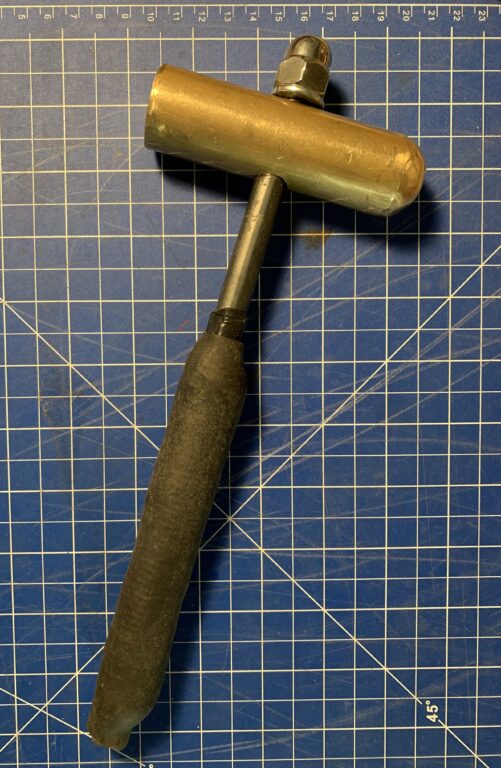
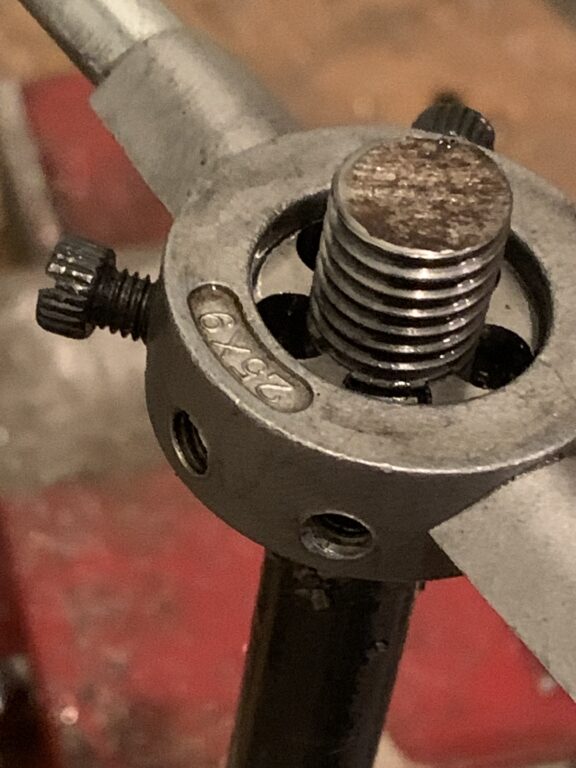
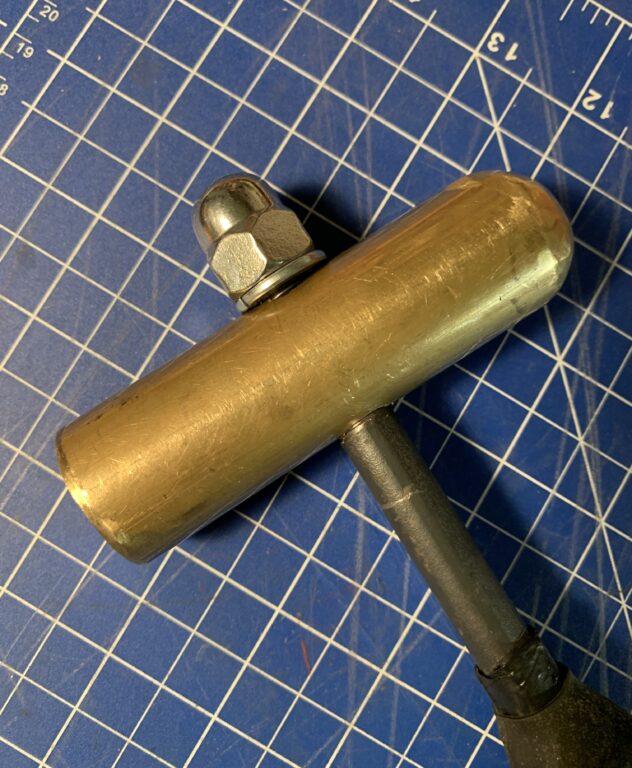
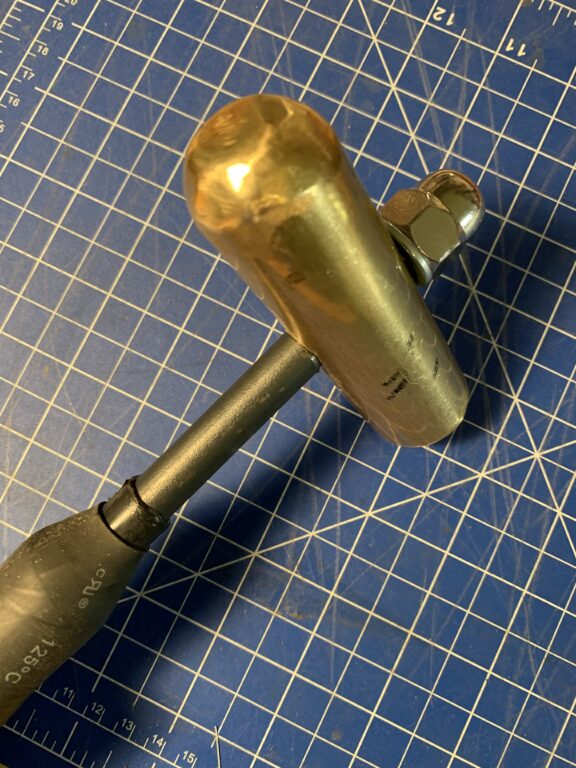
Radical metal hammers/mallets such as the ones bellow have also find a prominent place in my studio. The one with the iron head is very useful as a general purpose lightweight miniature-style hammer. The one with the bronze head has an iron handle with a firm plastic grip and is rather heavy and particularly effective as a general purpose machinist hammer; it is much softer than steel/iron and if kept polished it will not leave marks on such harder metals.

Related Projects

3 Studies for environmental recordings, VCS3 and studio response
Downtime: post-domestic fiction

Inhibition