Metal Machine Music
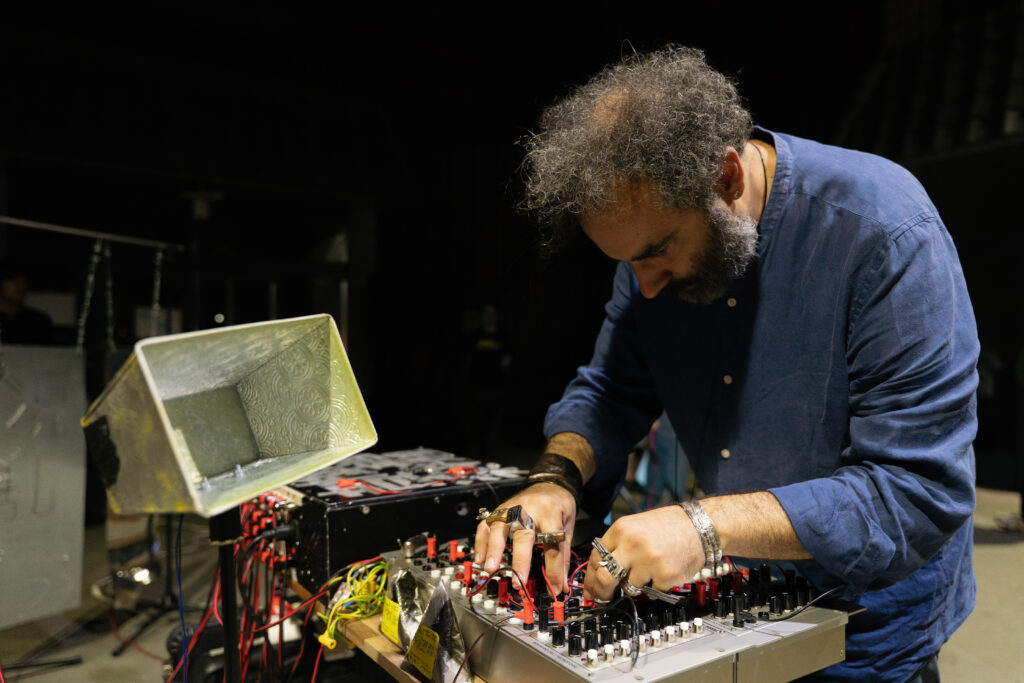
Metal Machine Music
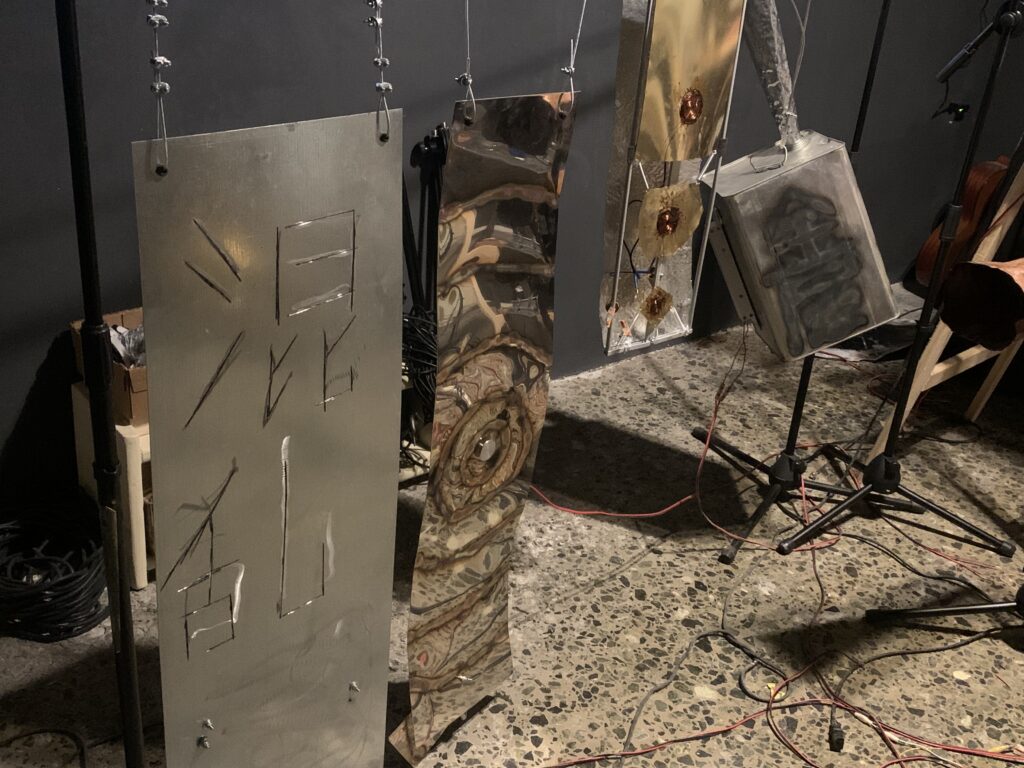
Metal Machine Music interrogates the material properties of various metals by way of magneto-mechanic stimulation; flexural and circumferential idiophonic resonance; mechano-acoustic transduction; and airborne acoustic modulation. It often does so simultaneously, by way of an ambiguous blending of loudspeaker, percussion instrument, and acoustic resonator.
Materials:
Aluminum, brass, bronze, copper, (galvanised) iron, mild steel, stainless steel, tinplate, titanium, neodymium, electronics, motors, solenoids.
Duration (Performance):
Variable, 20-60m
Dimensions (Exhibition):
Variable
Produced by:
Marinos Koutsomichalis
Produced at:
Y’ha-nthlei Studio, Heraklion GR
Produced in:
2025-6
Photos by:
Marinos Koutsomichalis, Shogo Tani, Miyuki Oka.
Video Editting by:
George Dimoglou
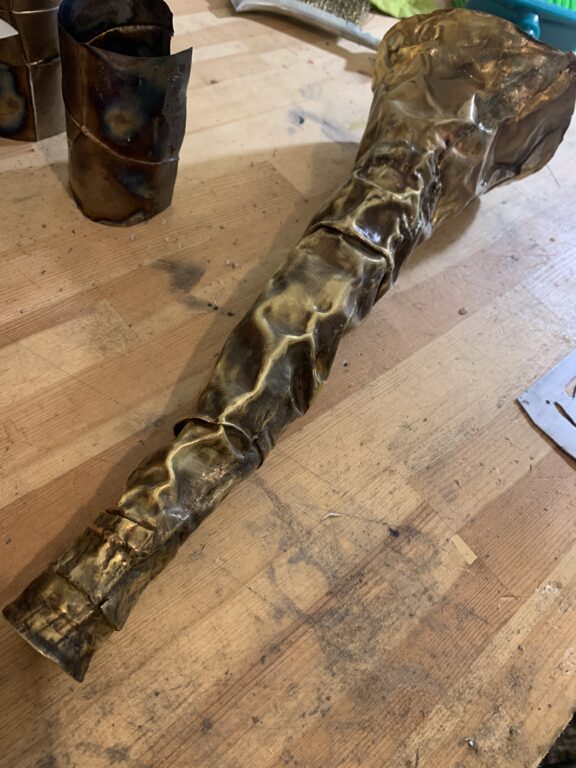
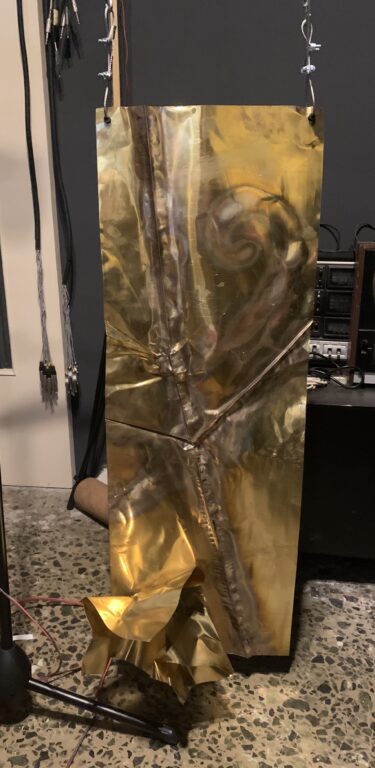
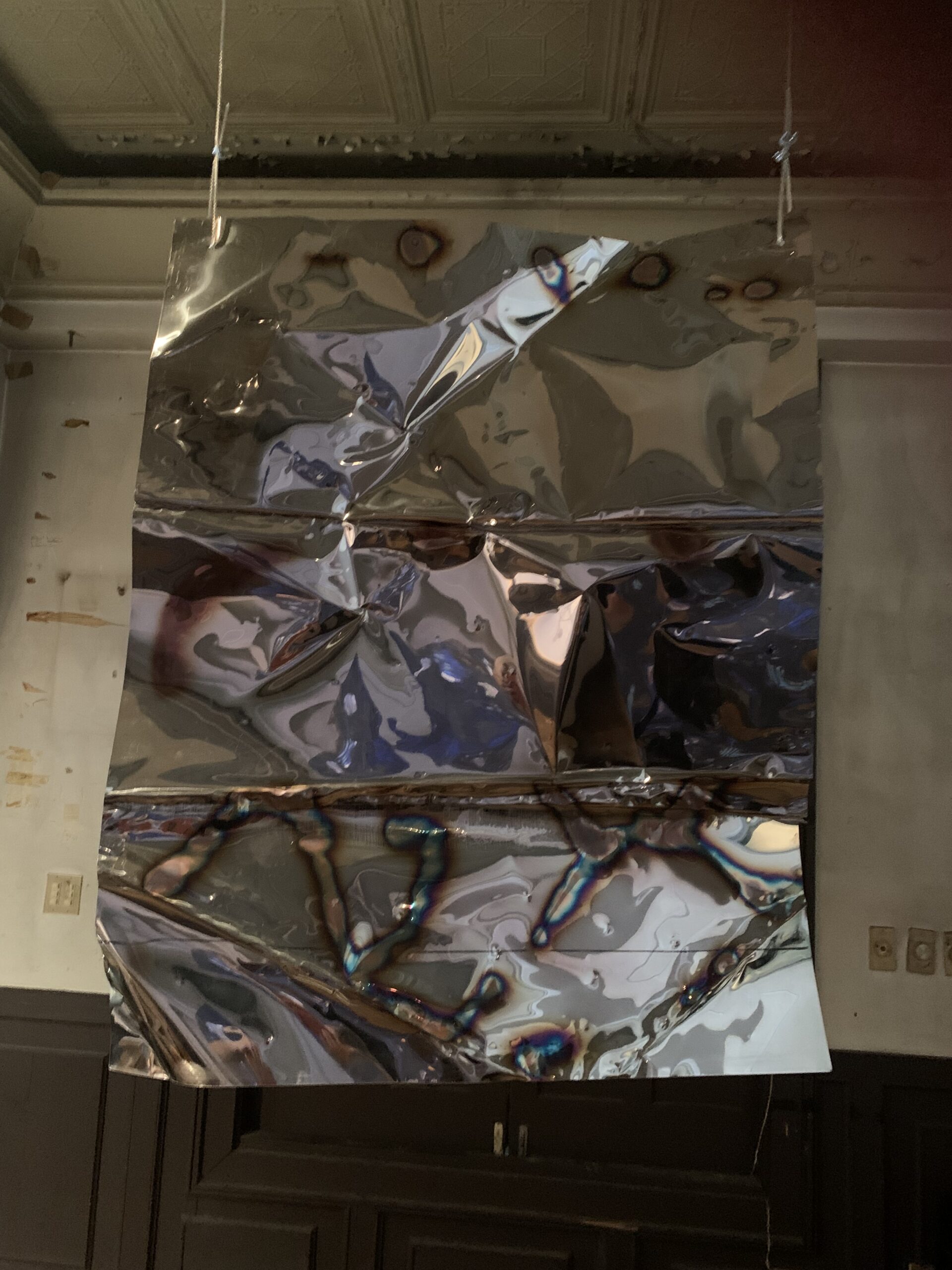
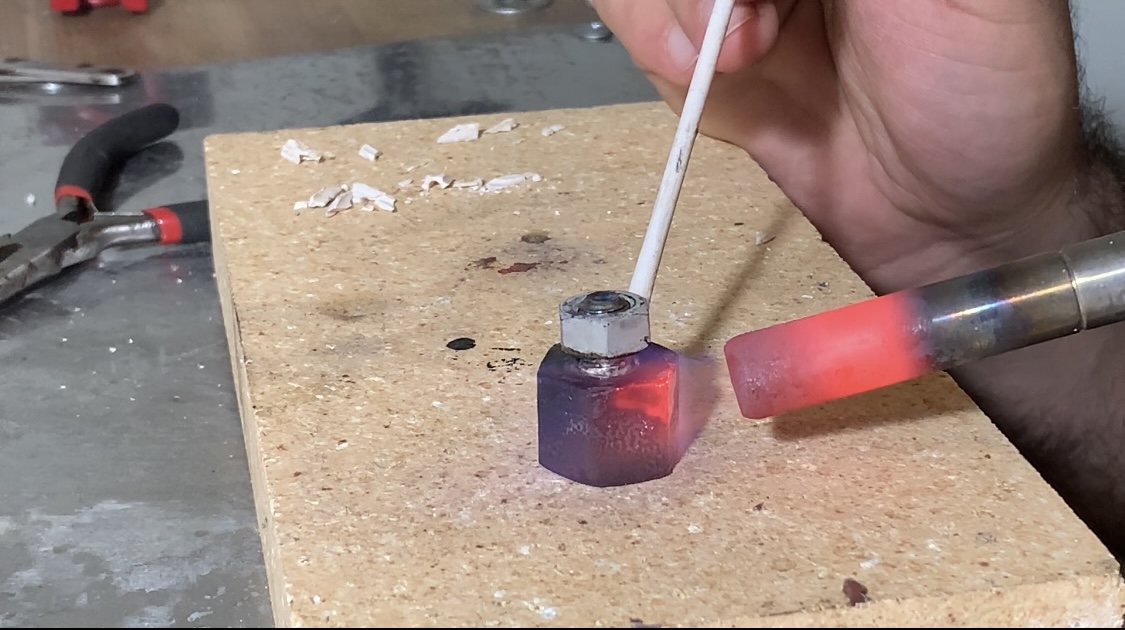
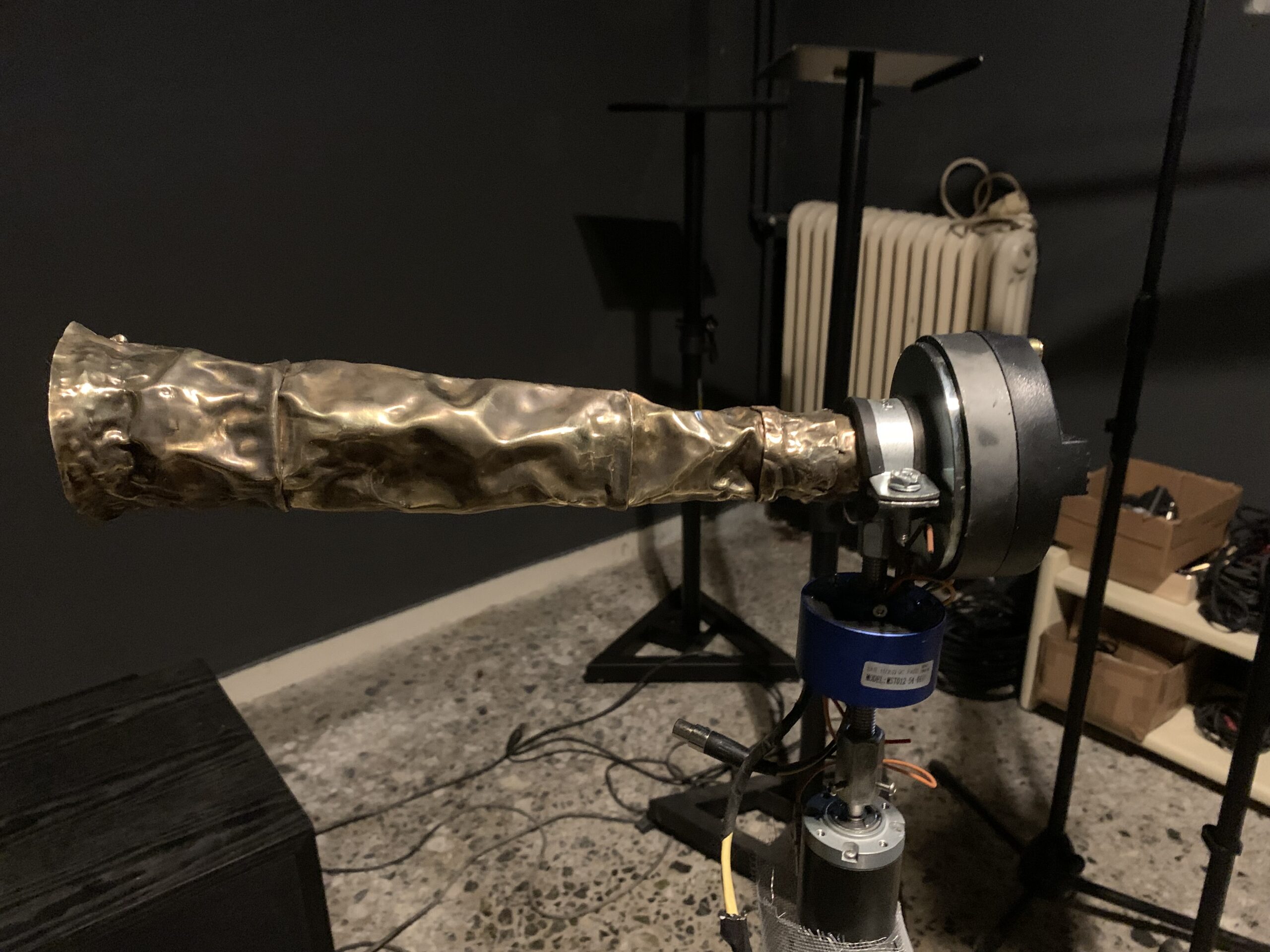
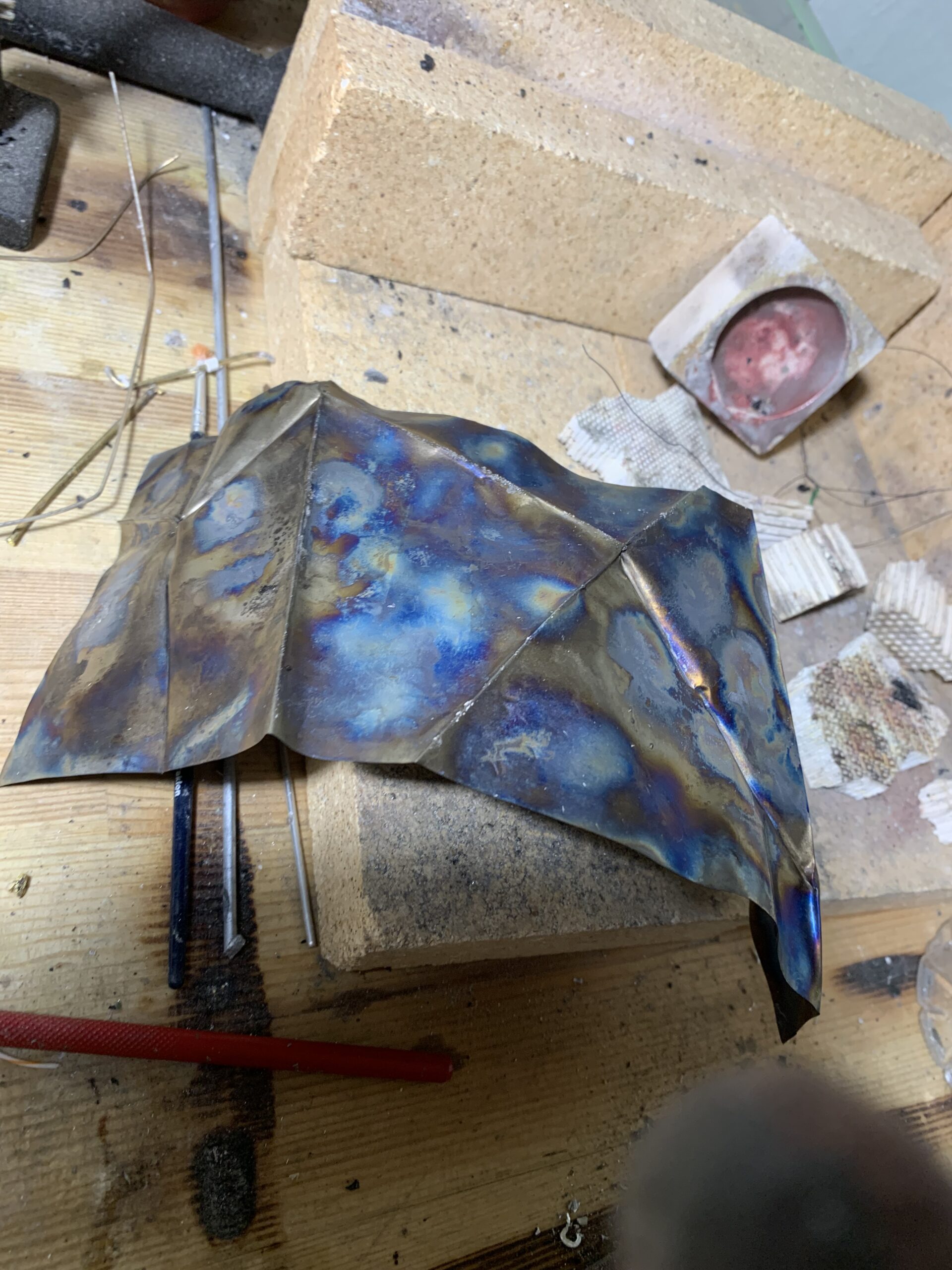
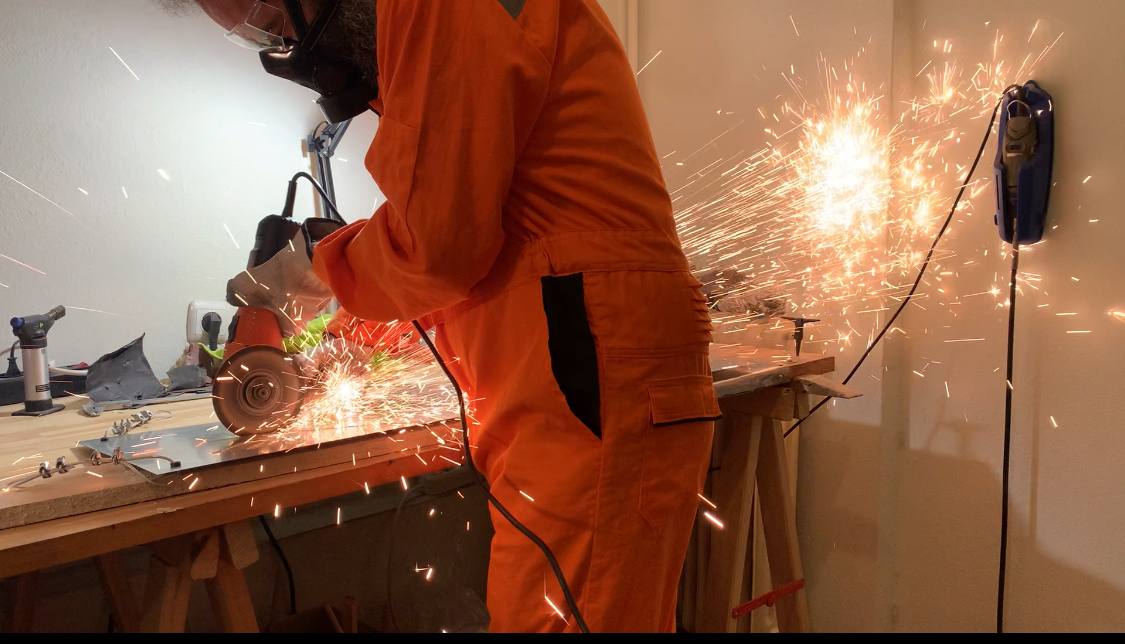
Metal Machine Music involves making bespoke metal artefacts of varying complexity; designing machines to mechanically excite them; prototyping power amplifiers to effectively drive the former; and synthesizing the signals fed to the latter. In this fashion Metal Machine Music becomes a playground for an expanded compositional process that extends across lutherie, metalsmithing, large-signal electronics, mechanism design, empirical acoustics, and audio synthesis.
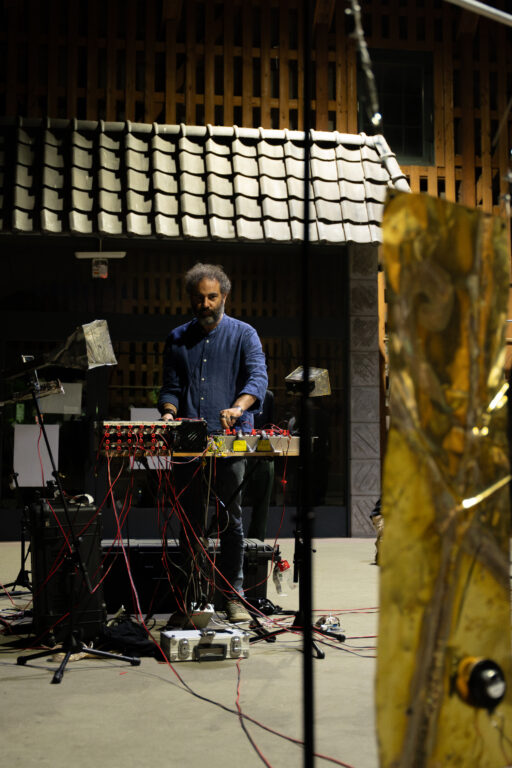
Metal Machine Music affords performance, exhibition, workshopping, and other hybrid ways of artistic showcase and open-ended research. The core question the project revolves around is how to employ DIY metal artefacts and DIY (metal) machines so as to transduce electricity into acoustic vibrations. On the electricity side of things, the artist typically uses a Serge Modular system to generate audio signals of varying complexity, as well as several DIY PWM motor drivers. Other signal sources are sometimes used on occasion.
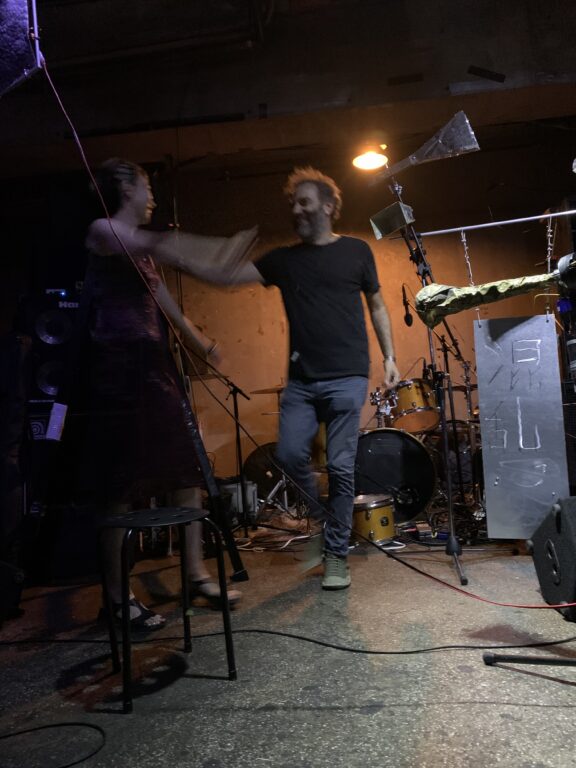
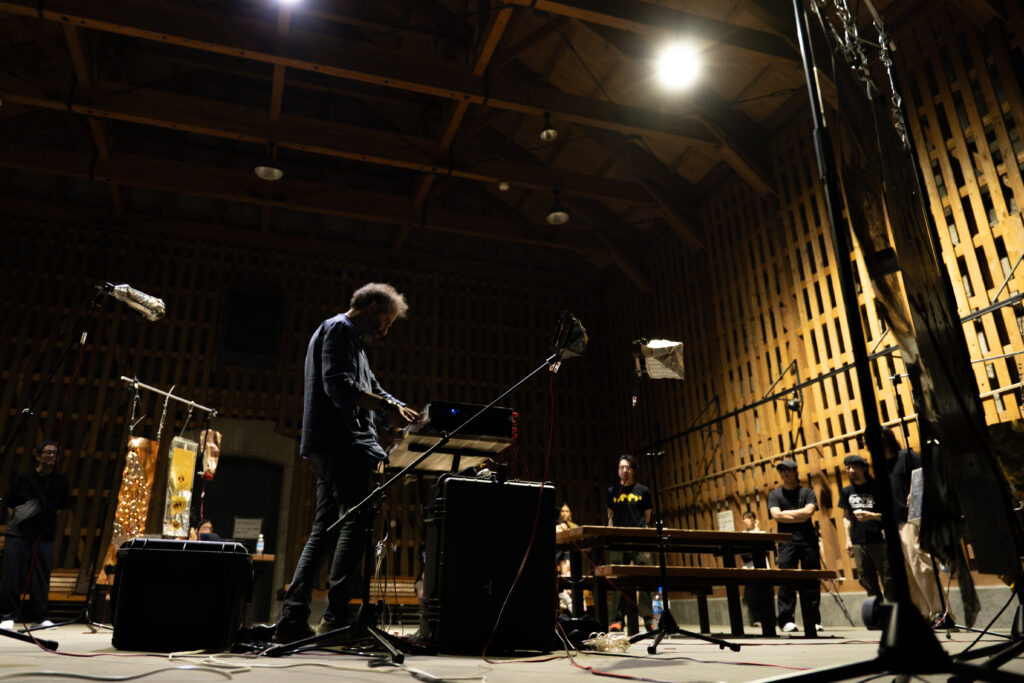
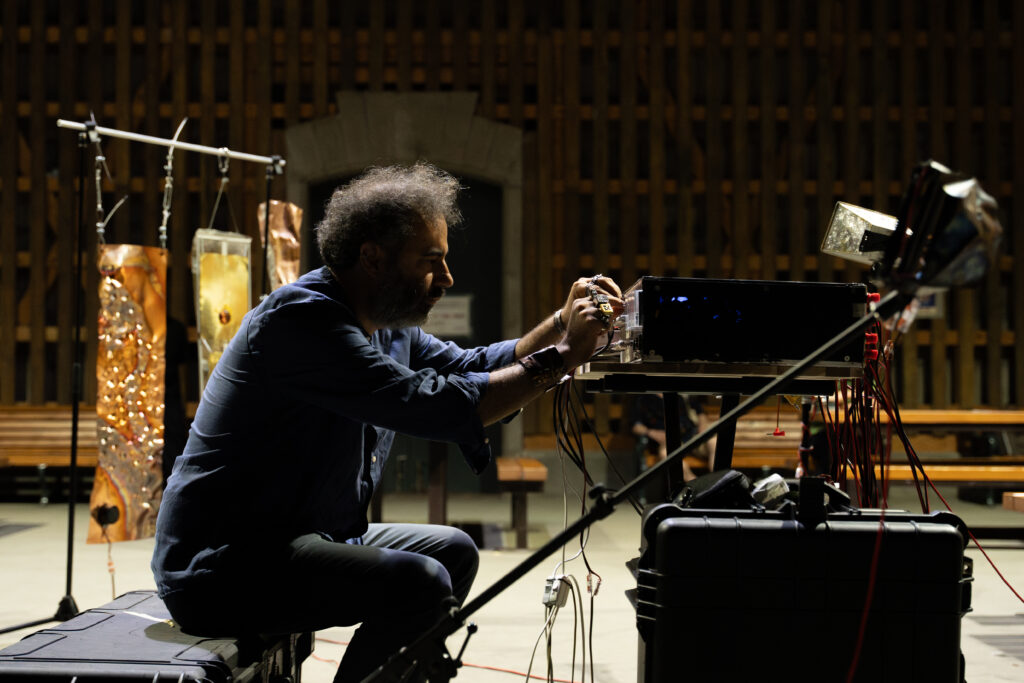
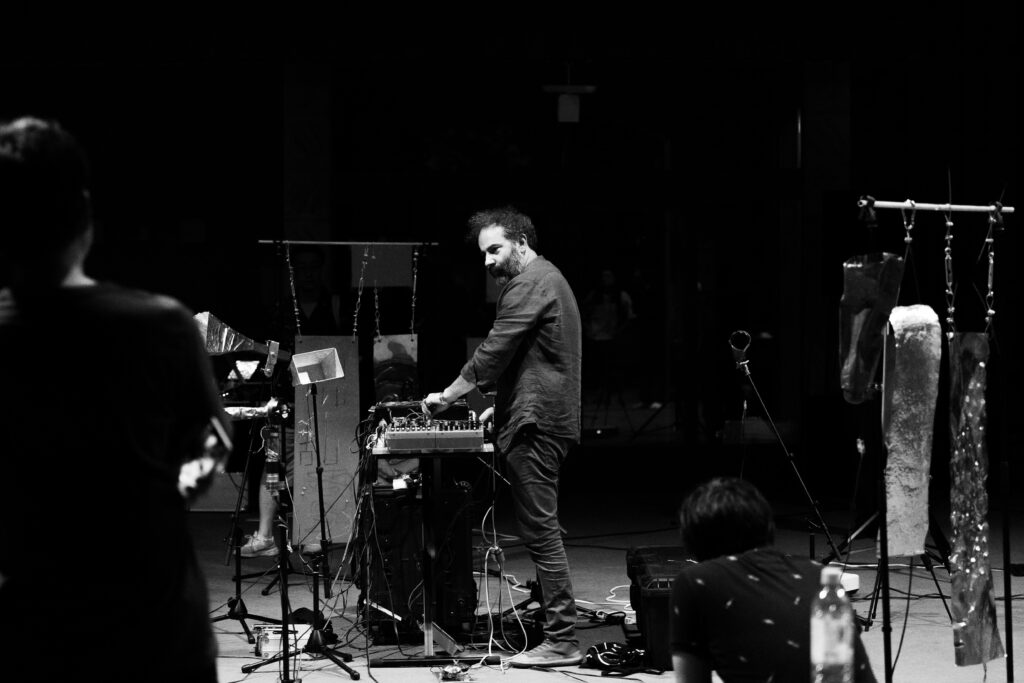
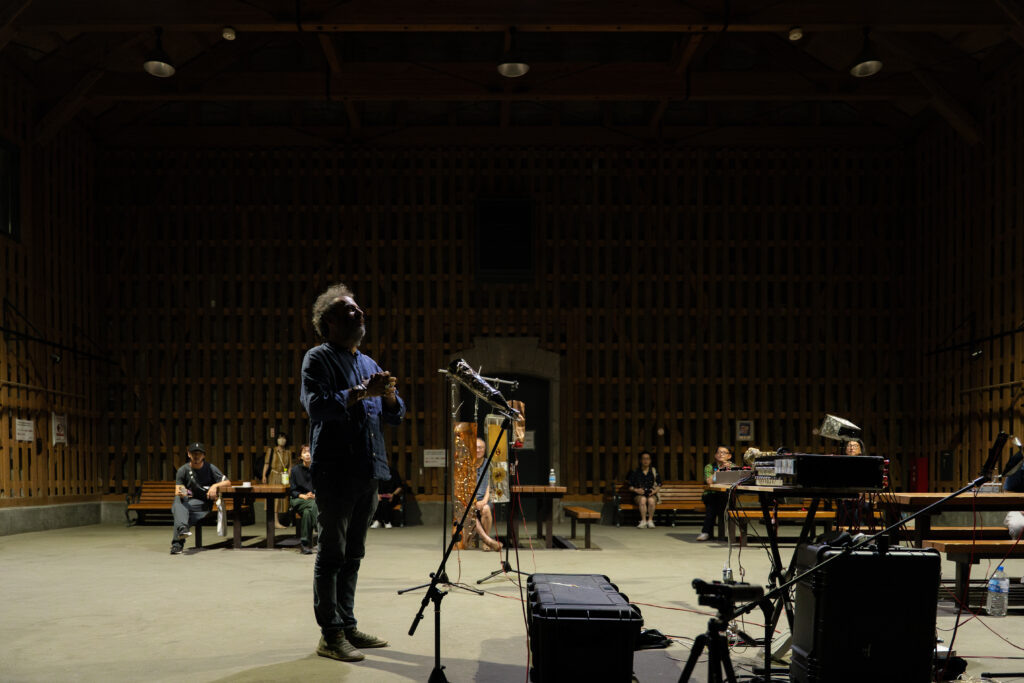
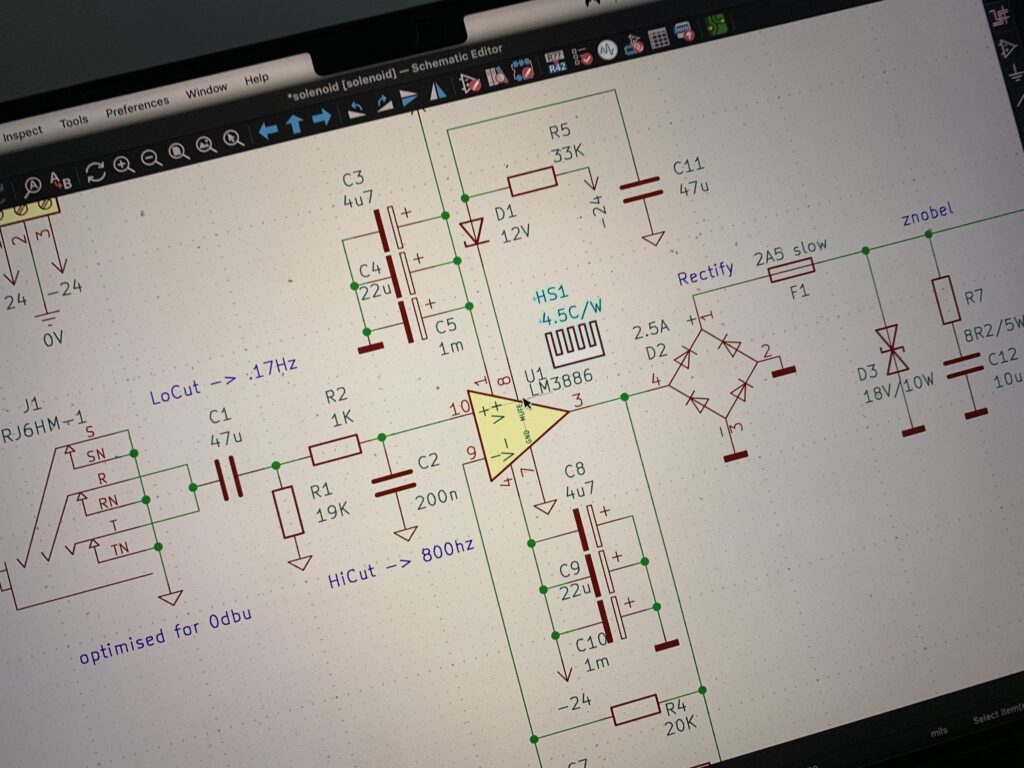
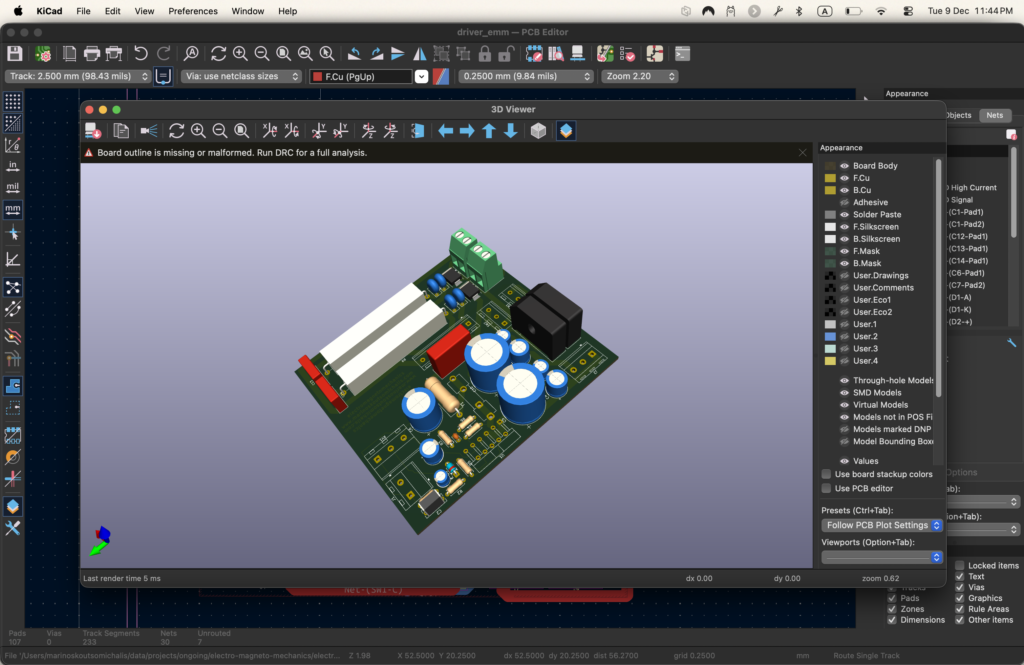
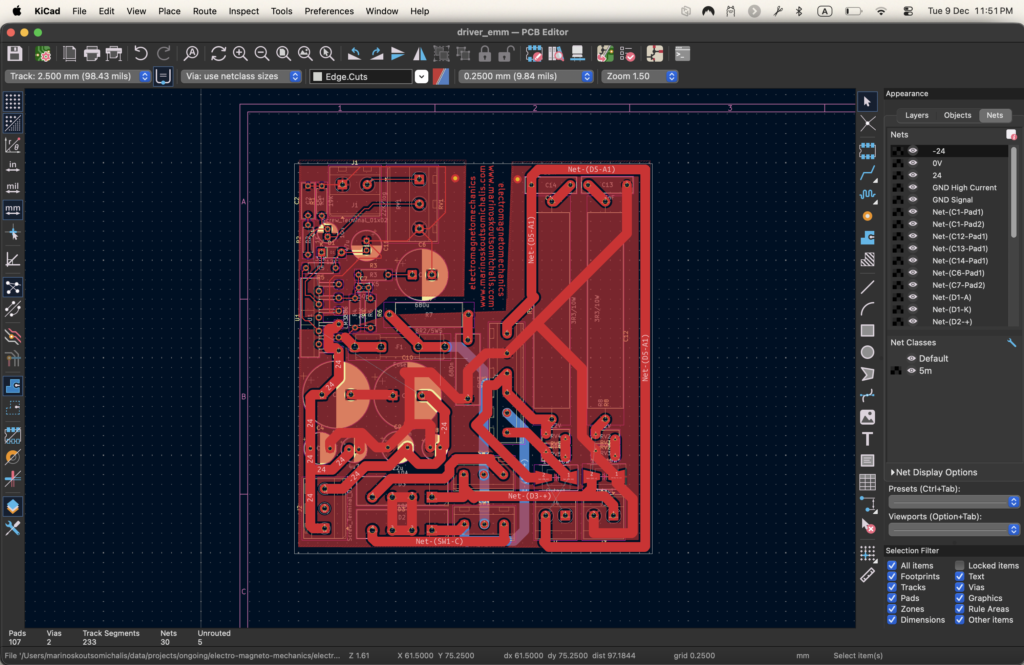
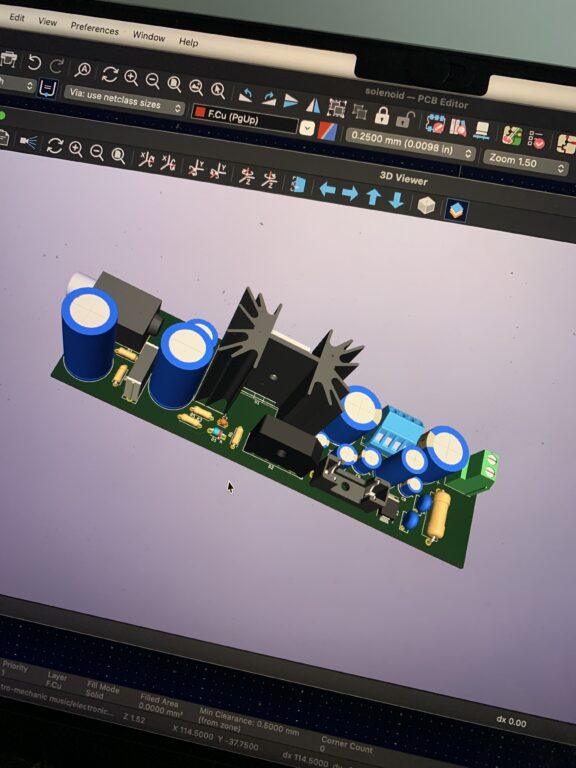
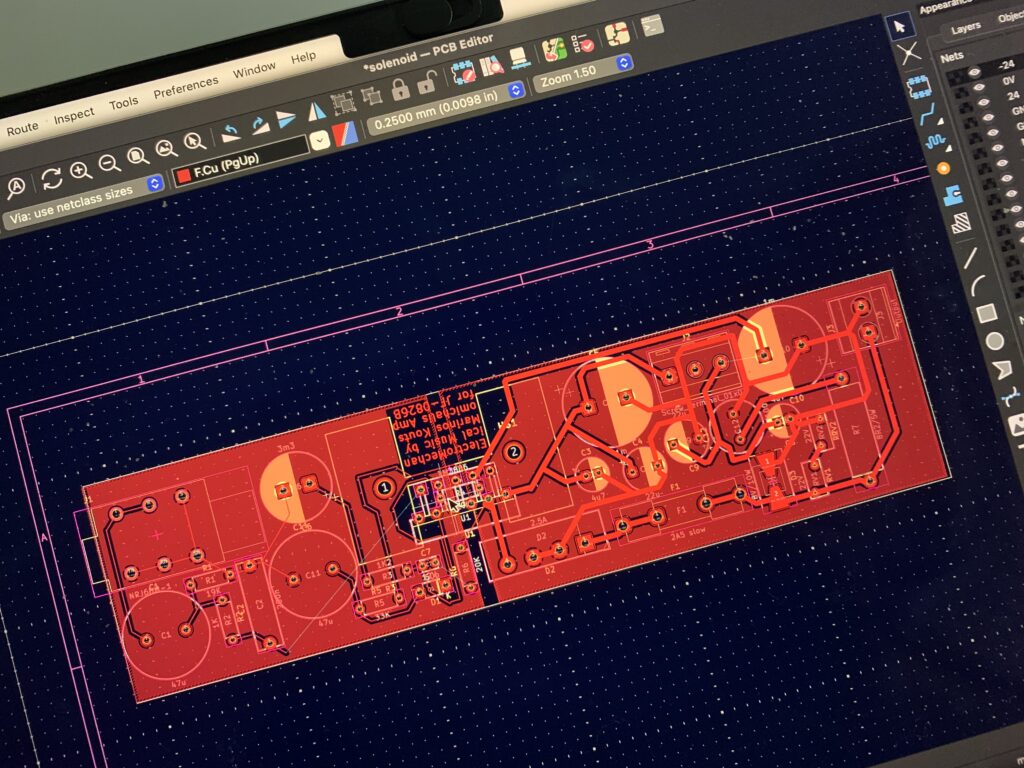
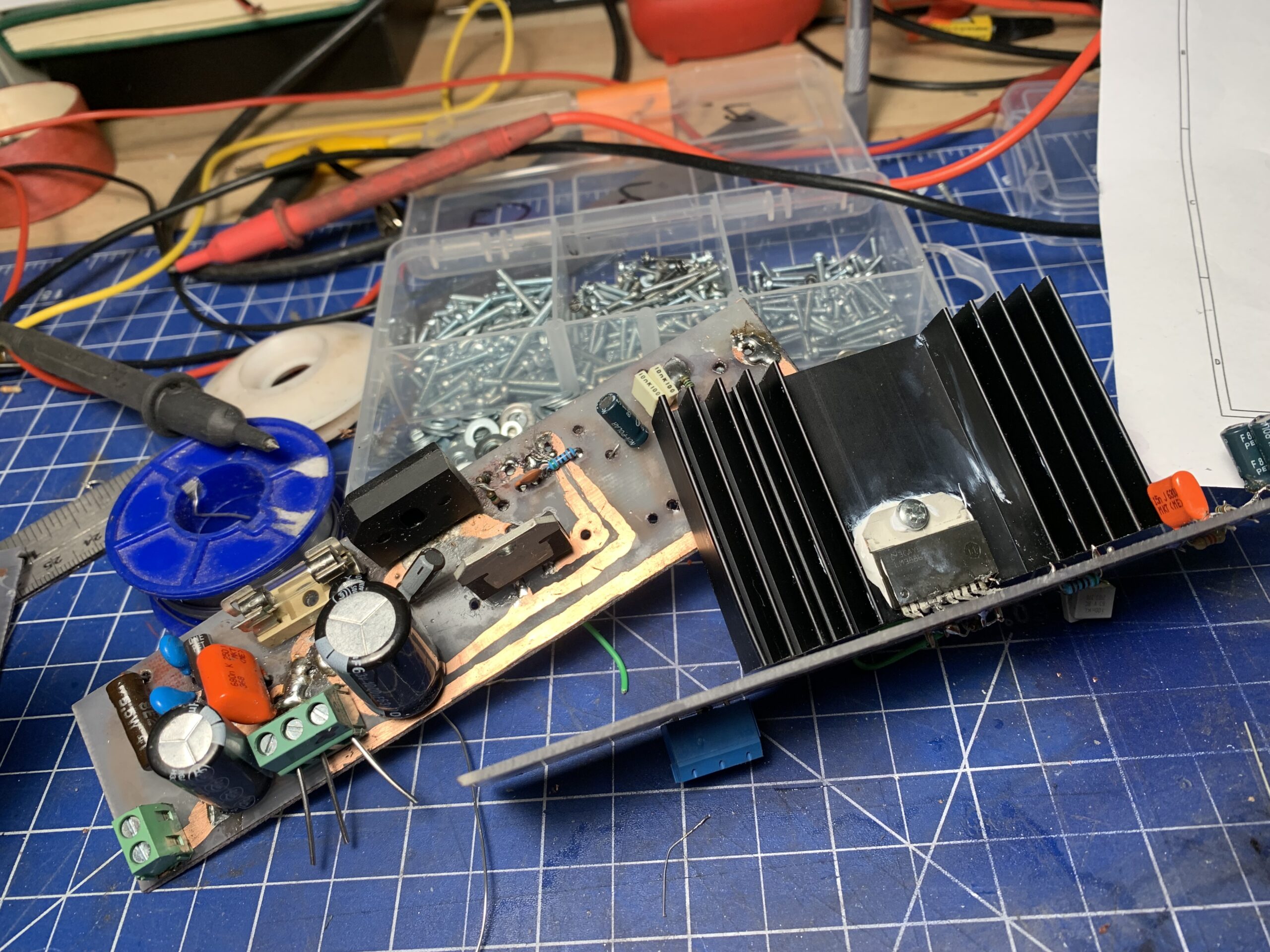
The artist has designed, prototyped, and constructed a 1000W multi-channel large-signal power amplifier especially for Metal Machine Music. By way of this instrument, he can distribute monophonic audio signals to the various individual instruments. Each of the latter has its own characteristics in terms of input impedance, current handling capacity, sympathetic resonance, frequency response; accordingly, the individuals modules within the amplifier have been designed so as to achieve maximum performance in terms of power and desired bandwidth. Everything has been made from scratch following a several months long period of experimentation and prototyping.
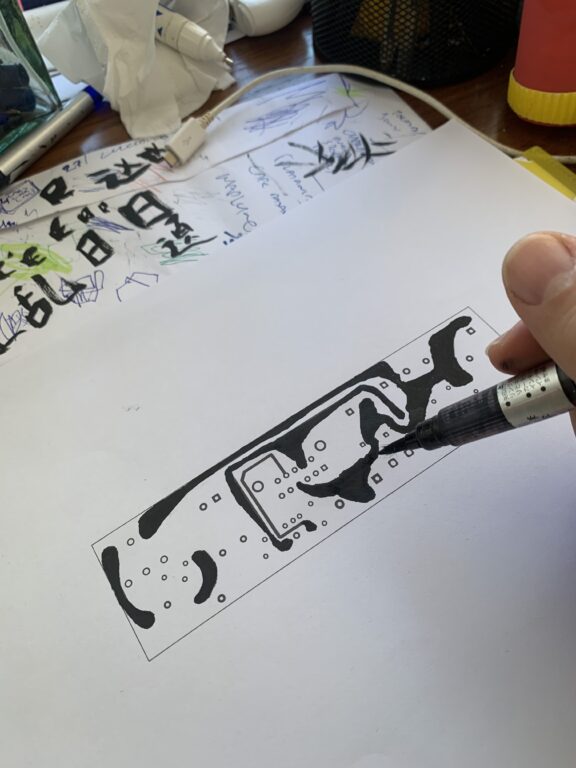
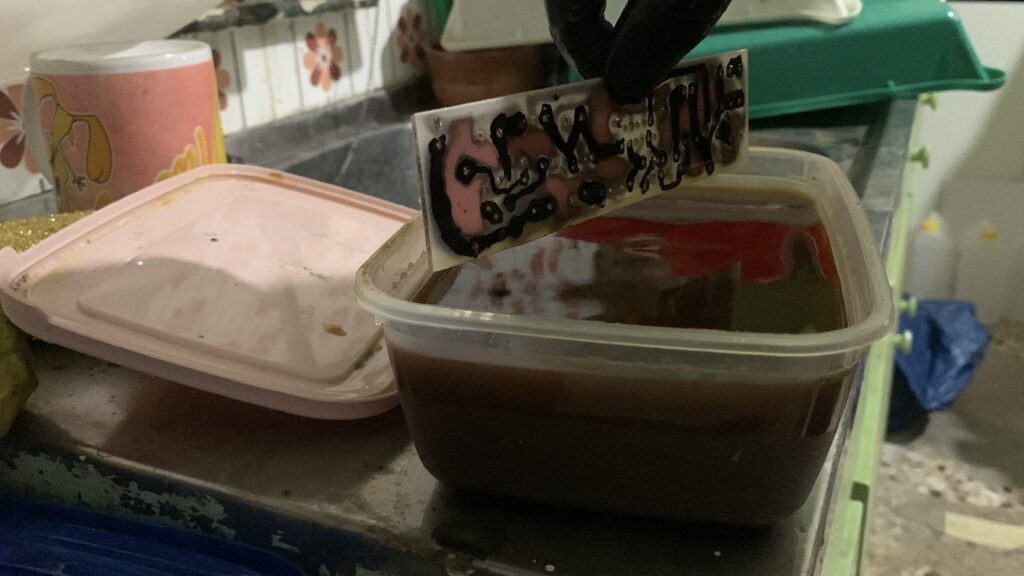
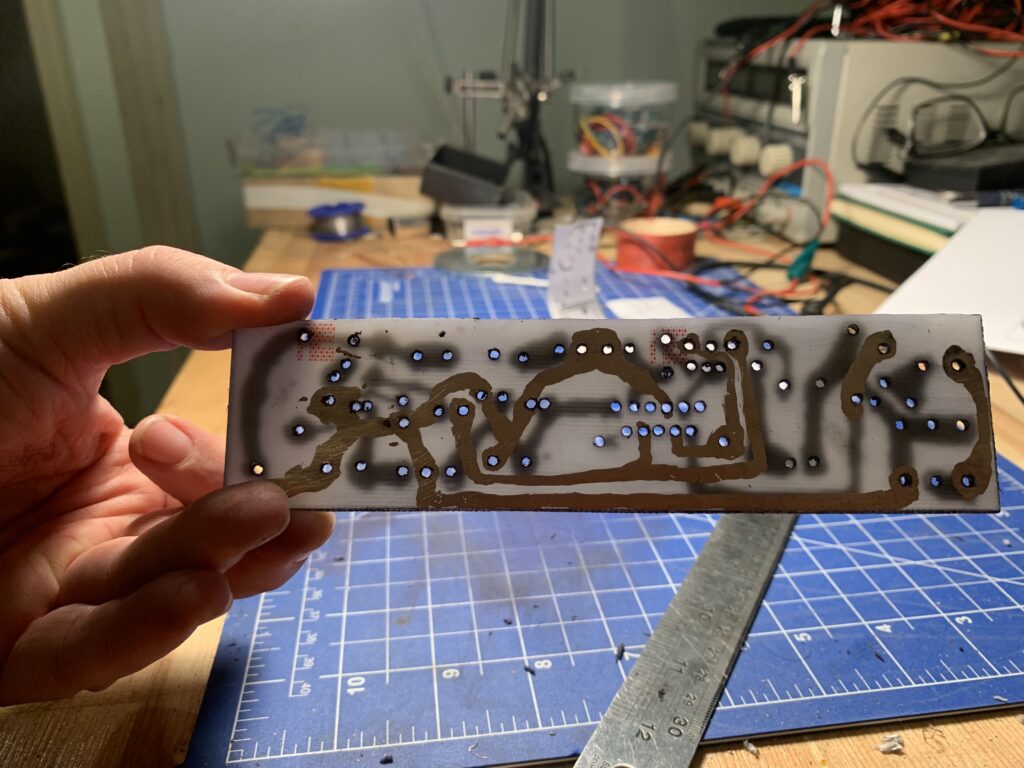
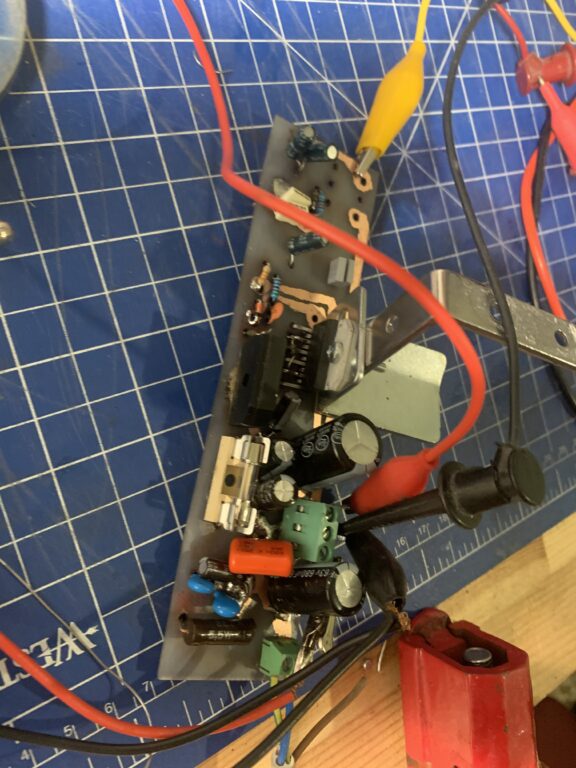
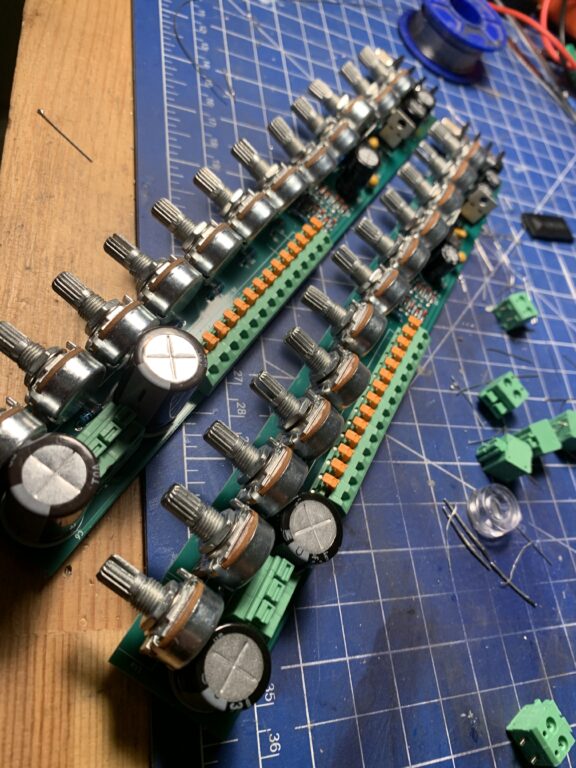
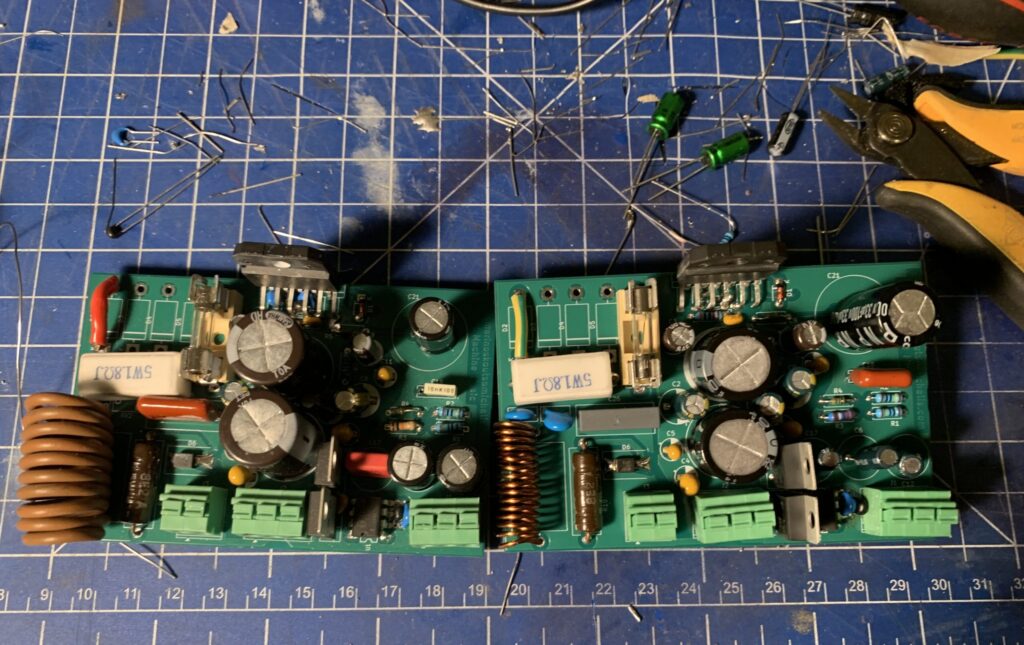
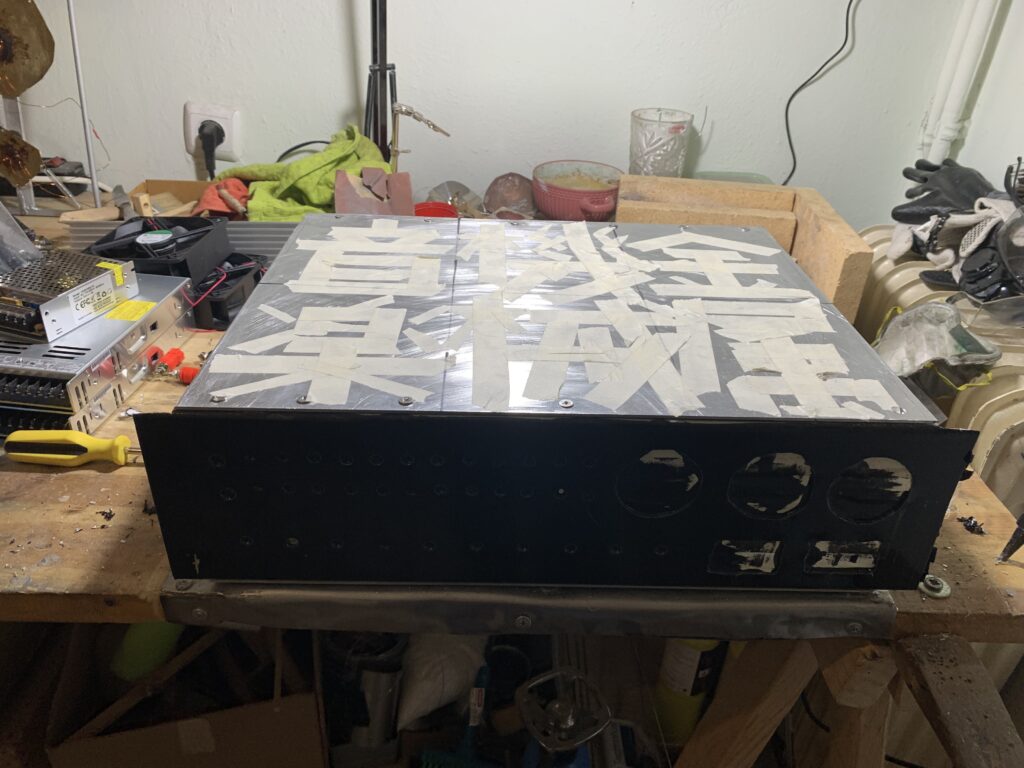
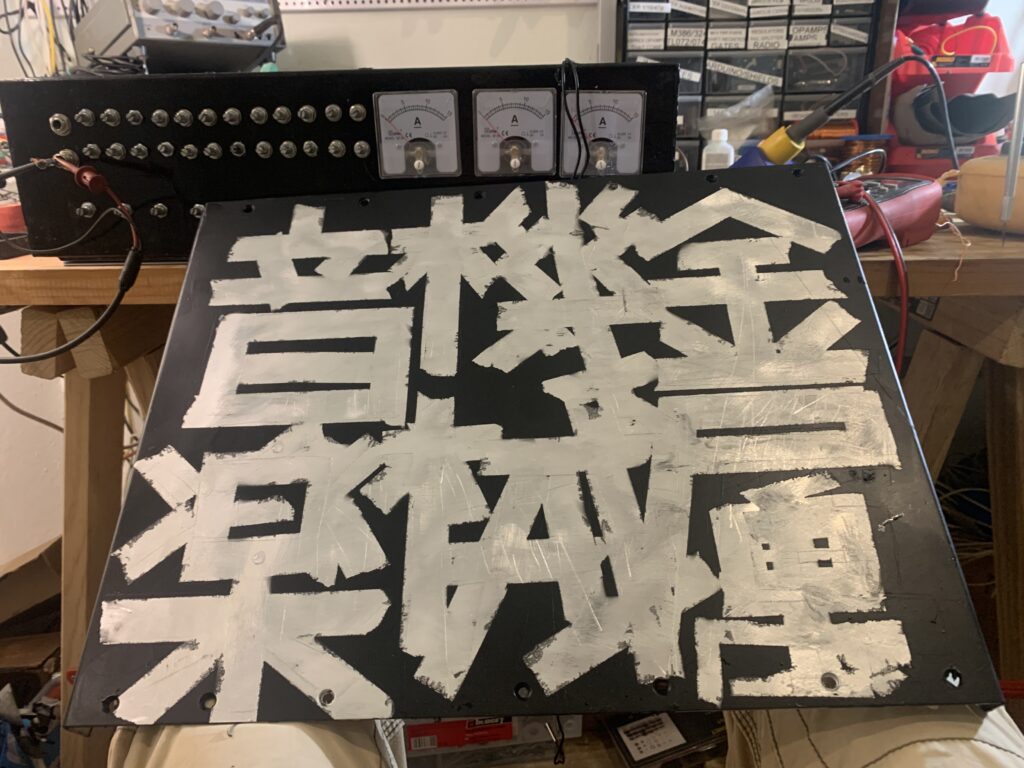
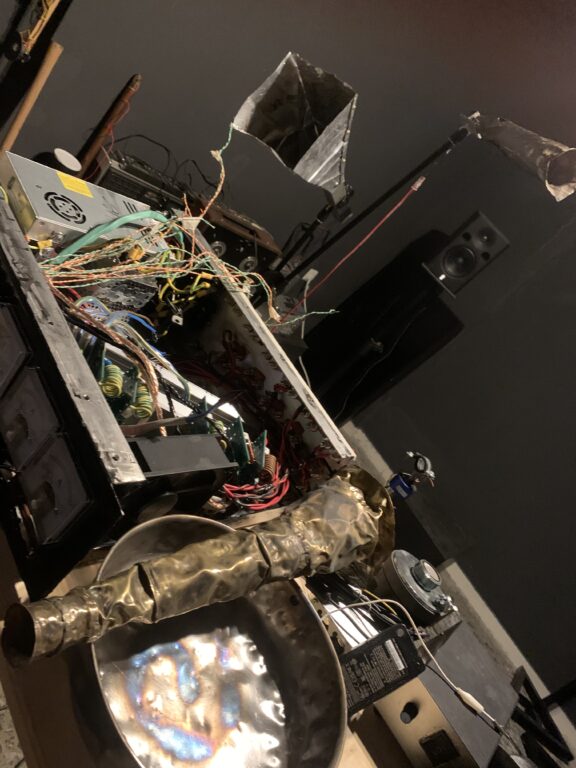
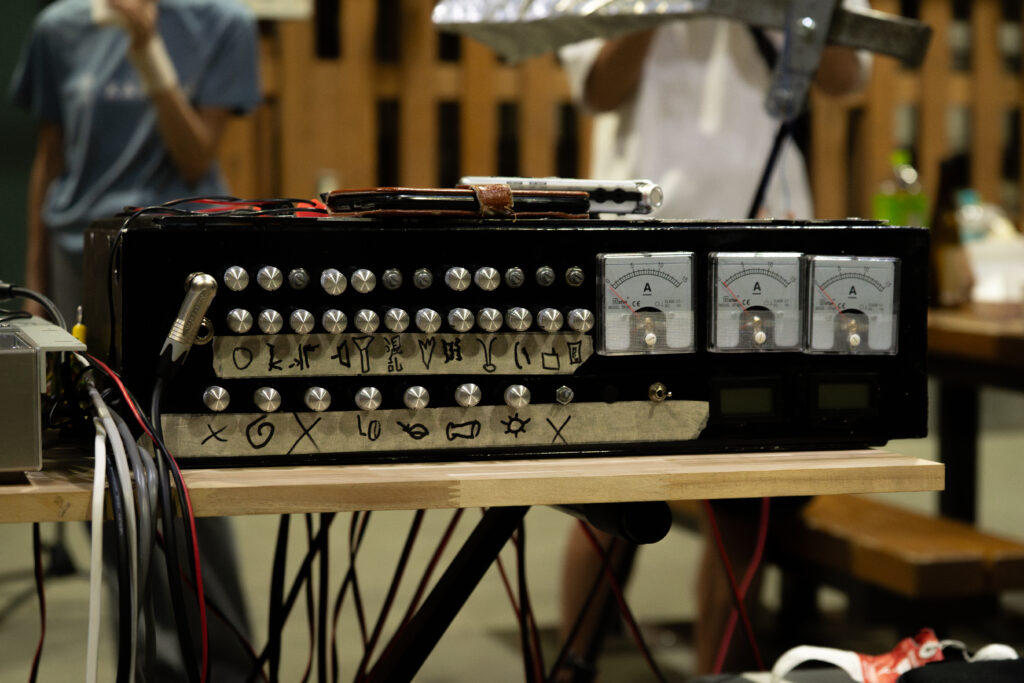
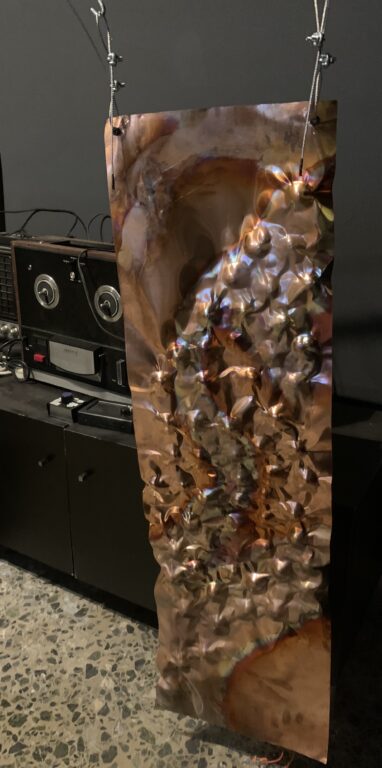
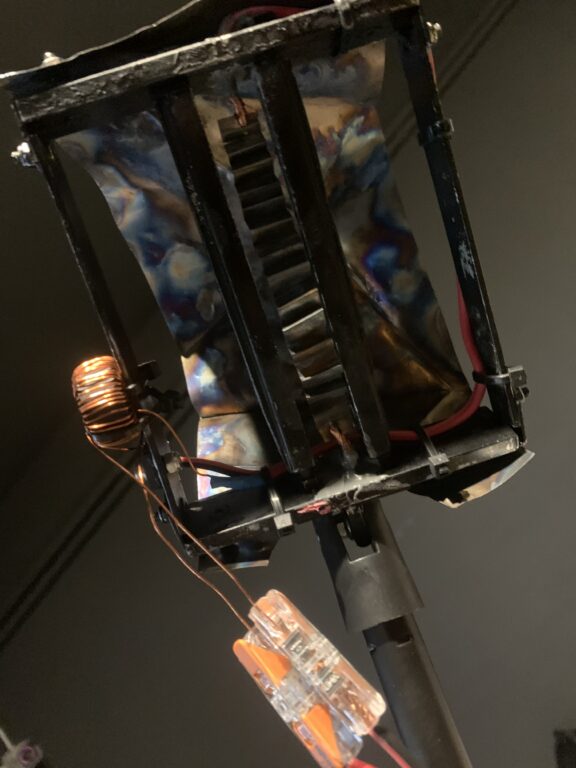
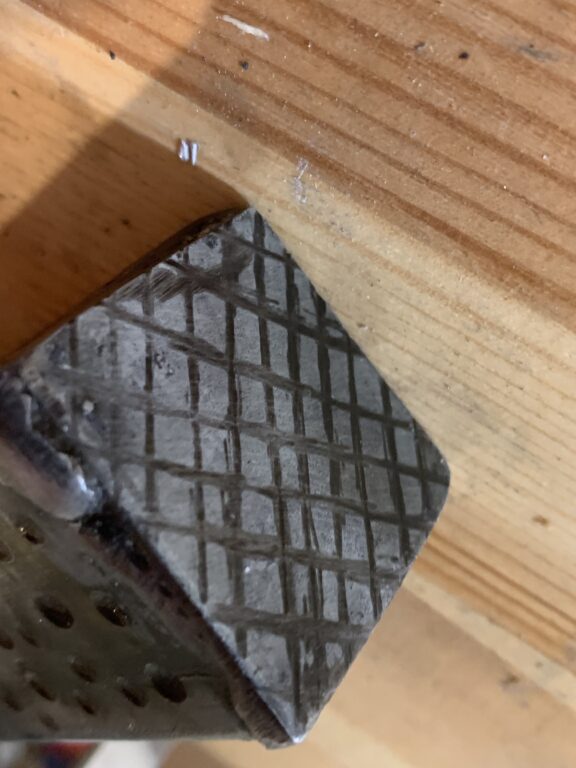
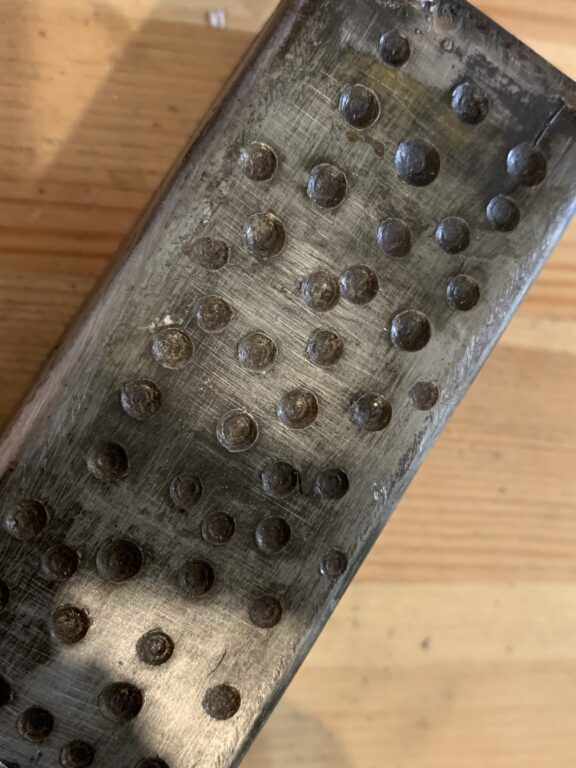
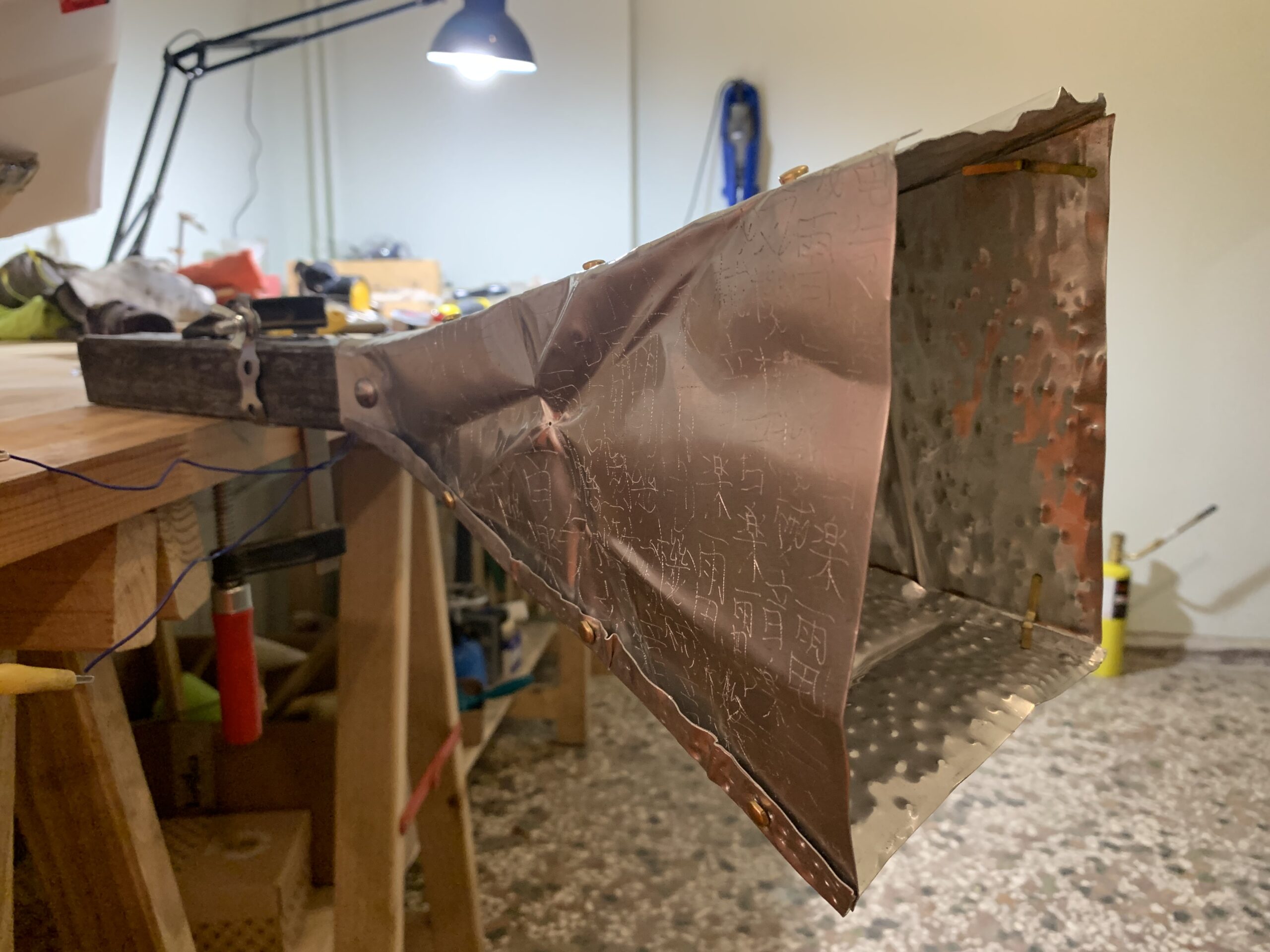
Individual instruments range a lot in appearance, operating principle, acoustic and electrical characteristics; they all share, nevertheless, an intentional attention to detail and to foregrounding DIY making employing metals and techniques of all sorts.
Related Projects
Downtime: post-domestic fiction
Music for variable wavetable oscillators & Walsh function operators

Toolkit of Care